
Medically reviewed by Dr. Ata Ullah, MD (Medicine), Physician Consultant.
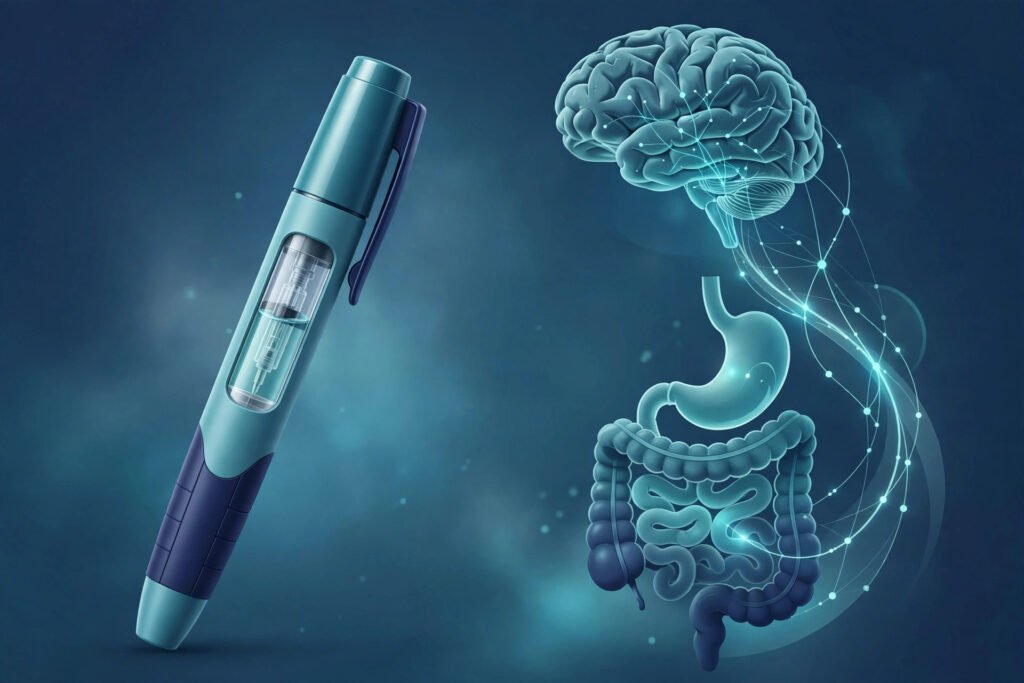
GLP-1 medicines such as semaglutide (sold under brand names like Ozempic and Wegovy) and tirzepatide (sold as Mounjaro and Zepbound) have changed how doctors think about weight management. Originally developed for type 2 diabetes, these medicines work by copying a natural gut hormone and have become some of the most talked-about treatments in modern medicine.
This guide explains, in plain language, how GLP-1 drugs work inside the body, who they are meant for, what benefits and risks the research suggests, and how treatment is normally managed under medical supervision. This is general information only — whether these medicines are appropriate for you is a decision to make with a qualified doctor.
It is worth knowing from the start that these are prescription medicines, not lifestyle products. They come with real benefits, real side effects, and real costs, and they work best when combined with changes in eating and activity habits.
How GLP-1 Drugs Work
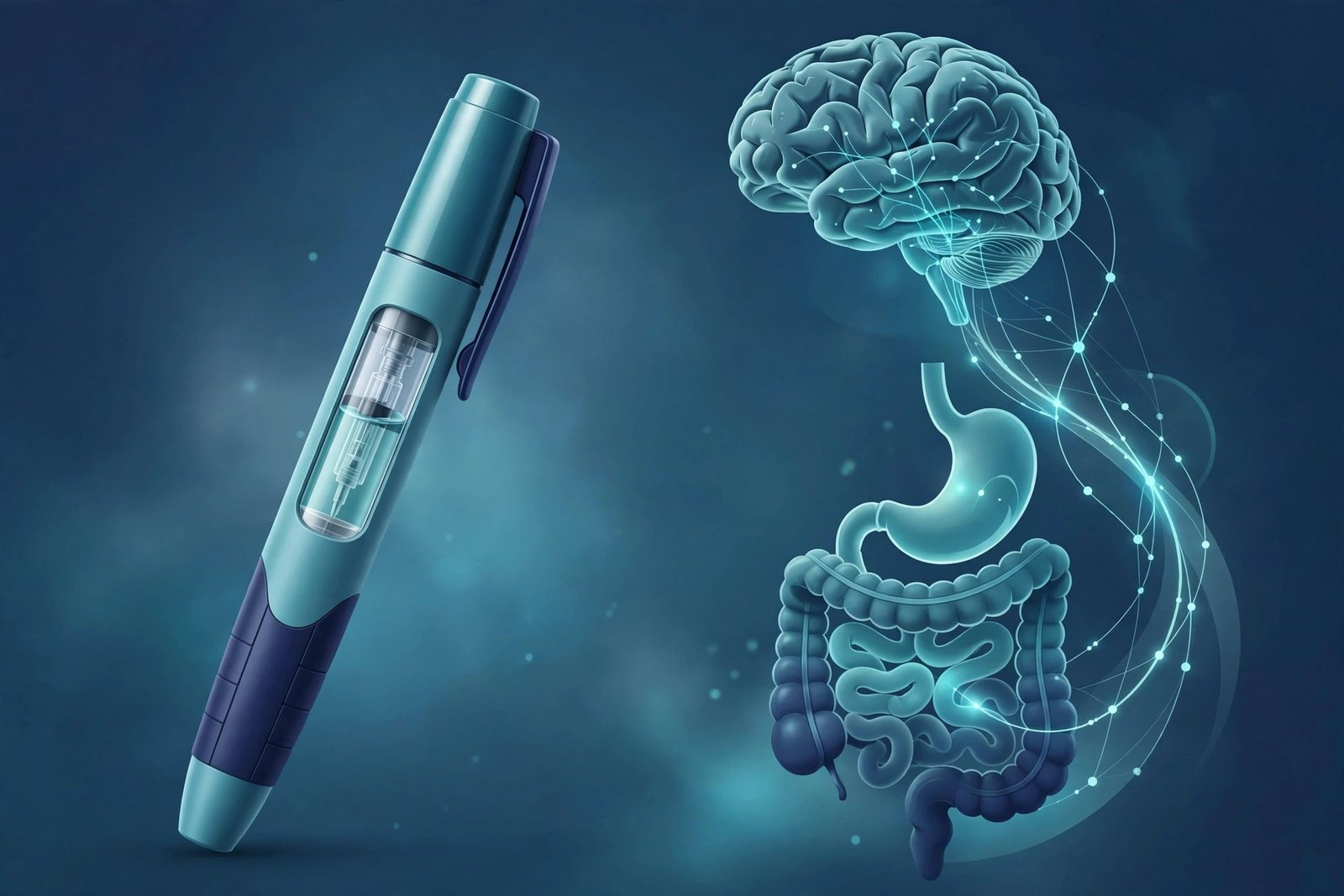
GLP-1 stands for glucagon-like peptide-1, a hormone your gut naturally releases after you eat. In its natural form it only lasts a few minutes in the body, but scientists have engineered versions that last for days, which is why most of these medicines are given as a once-weekly injection (some come as daily tablets).
Once in the bloodstream, the medicine acts on GLP-1 receptors in several places:
1. Appetite control in the brain
The medicine acts on appetite centres in the brain, reducing feelings of hunger and increasing the sense of fullness after meals. Many people describe this as “food noise” going quiet — cravings for snacks and large portions become easier to resist.
2. Slower stomach emptying
GLP-1 medicines slow the rate at which food leaves the stomach. This contributes to feeling full sooner and for longer, which naturally leads to eating less at each meal.
3. Blood sugar regulation
When blood sugar rises after a meal, GLP-1 prompts the pancreas to release insulin and suppresses glucagon, a hormone that raises blood sugar. Because this insulin release is glucose-dependent, the risk of dangerously low blood sugar is low when these medicines are used alone — an important safety feature.
Who Are They For?
GLP-1 medicines are licensed for specific groups, and the exact criteria vary by country and brand. In general, doctors consider them for adults with type 2 diabetes whose blood sugar is not controlled by other treatments, or for adults with obesity or overweight plus at least one weight-related health condition such as high blood pressure, abnormal cholesterol, or sleep apnoea.
Some formulations are approved for chronic weight management, others mainly for diabetes. A doctor will assess your body mass index, blood tests, medical history, and previous attempts at weight loss before deciding. These medicines are not intended for cosmetic weight loss in people at a healthy weight.
Benefits Suggested by Research
Clinical research on GLP-1 medicines has reported several potential benefits. Wording here is deliberately cautious, because individual results vary widely:
- Meaningful weight reduction: In clinical trials, participants on GLP-1 medicines lost significantly more weight than those on placebo, with results generally improving over months of treatment.
- Better blood sugar control: For people with type 2 diabetes, these medicines have been shown to lower HbA1c (average blood sugar) and, in many cases, reduce the need for other diabetes medicines.
- Heart and vascular health: Some trials have suggested a reduced risk of major cardiovascular events in people with established heart disease, though not every GLP-1 medicine has this evidence and the effect depends on the individual.
- Improvements in related conditions: Weight loss of this magnitude may help with sleep apnoea, joint pain, and fatty liver, though doctors treat each of these on their own merits.
Side Effects and Risks
Most people experience some side effects, at least during the dose-increase phase. The common ones are digestive:
- Nausea, which is the most frequently reported side effect
- Vomiting, diarrhoea, or constipation
- Reduced appetite to the point of finding meals unappealing
- Heartburn or belching
These effects are usually mild to moderate and tend to ease as the body adjusts. Doctors manage them by increasing the dose slowly over weeks or months.
Less common but more serious risks described in medical literature include inflammation of the pancreas (pancreatitis), gallbladder problems such as gallstones, and, in animal studies, thyroid tumours — which is why regulators require warnings on product labels. Because these are long-acting medicines, side effects can also linger for days after a dose.
Who Should Avoid Them
GLP-1 medicines are not suitable for everyone. People who should avoid them or use them only under very close supervision include:
- Anyone with a personal or family history of medullary thyroid cancer or the genetic condition MEN 2
- People with a history of pancreatitis
- Those who are pregnant, planning pregnancy, or breastfeeding
- People with type 1 diabetes (these medicines are not a substitute for insulin)
- Anyone with a known allergy to the medicine’s ingredients
How Treatment Is Managed
GLP-1 treatment is a long-term medical therapy, not a short course. A typical journey looks like this:
- Assessment: Your doctor reviews your history, measures your weight and blood pressure, and orders blood tests.
- Slow dose escalation: Treatment starts at a low dose and is increased gradually over weeks to the maintenance dose, specifically to reduce nausea and other digestive effects.
- Ongoing review: Weight, blood sugar, and side effects are monitored regularly. Doses are adjusted or the medicine is stopped if it is not tolerated or not working.
- Lifestyle support: Doctors consistently advise combining the medicine with balanced eating, physical activity, and sleep — the medicine makes lifestyle change easier, not unnecessary.
Tip: Stopping the medicine usually leads to gradual weight regain if lifestyle habits have not changed. Many doctors plan for long-term treatment, so discuss the expected duration and cost before you begin.
When to Seek Urgent Help
Seek urgent medical care if you experience: severe or persistent stomach pain (which can signal pancreatitis), signs of an allergic reaction such as swelling of the face or difficulty breathing, severe vomiting with dehydration, or any new lump or swelling in the neck area.
Frequently Asked Questions
Are Ozempic and Wegovy the same medicine?
They contain the same active ingredient, semaglutide, but are licensed for different uses and doses — Ozempic primarily for type 2 diabetes, Wegovy for weight management. A doctor decides which formulation fits your situation.
Do you need to diet while taking a GLP-1 medicine?
The medicine reduces appetite, but nutrition still matters. Doctors recommend protein-rich, fibre-rich meals and adequate fluids to protect muscle mass and manage side effects.
Is the weight loss permanent?
Research suggests that much of the lost weight tends to return if the medicine is stopped and old habits return. This is why doctors frame treatment as long-term.
Can these medicines be bought without a prescription?
No. Legitimate GLP-1 medicines require a prescription, and unregulated online products claiming to be GLP-1 medicines may be unsafe.
Key Takeaways
- GLP-1 drugs mimic a natural gut hormone to reduce appetite, slow digestion, and improve blood sugar control.
- They are prescription medicines for specific medical groups — not casual weight-loss products.
- Research suggests meaningful weight loss and diabetes benefits, but digestive side effects are common and serious risks exist.
- Long-term success depends on combining the medicine with lasting lifestyle changes under a doctor’s supervision.
Disclaimer: This article is for informational purposes only and is not a substitute for professional medical advice, diagnosis, or treatment. Please consult a qualified doctor for personal health concerns.