

Medically reviewed by Dr. Ata Ullah, MD (Medicine), Physician Consultant.
“Calorie deficit” is probably the most used — and most misunderstood — phrase in weight loss. It sounds technical, but the idea is simple: you lose weight when your body consistently uses more energy than you give it through food and drink.
This guide explains what a calorie deficit actually is, how big it should be, how to create one safely, the mistakes that make it fail, and when the concept does not tell the whole story.
Understanding this one idea will protect you from most diet scams. Nearly every legitimate weight-loss method — from intermittent fasting to high-protein diets to weight-loss medicines — works, to the extent it works, by creating a calorie deficit.
What Is a Calorie Deficit?
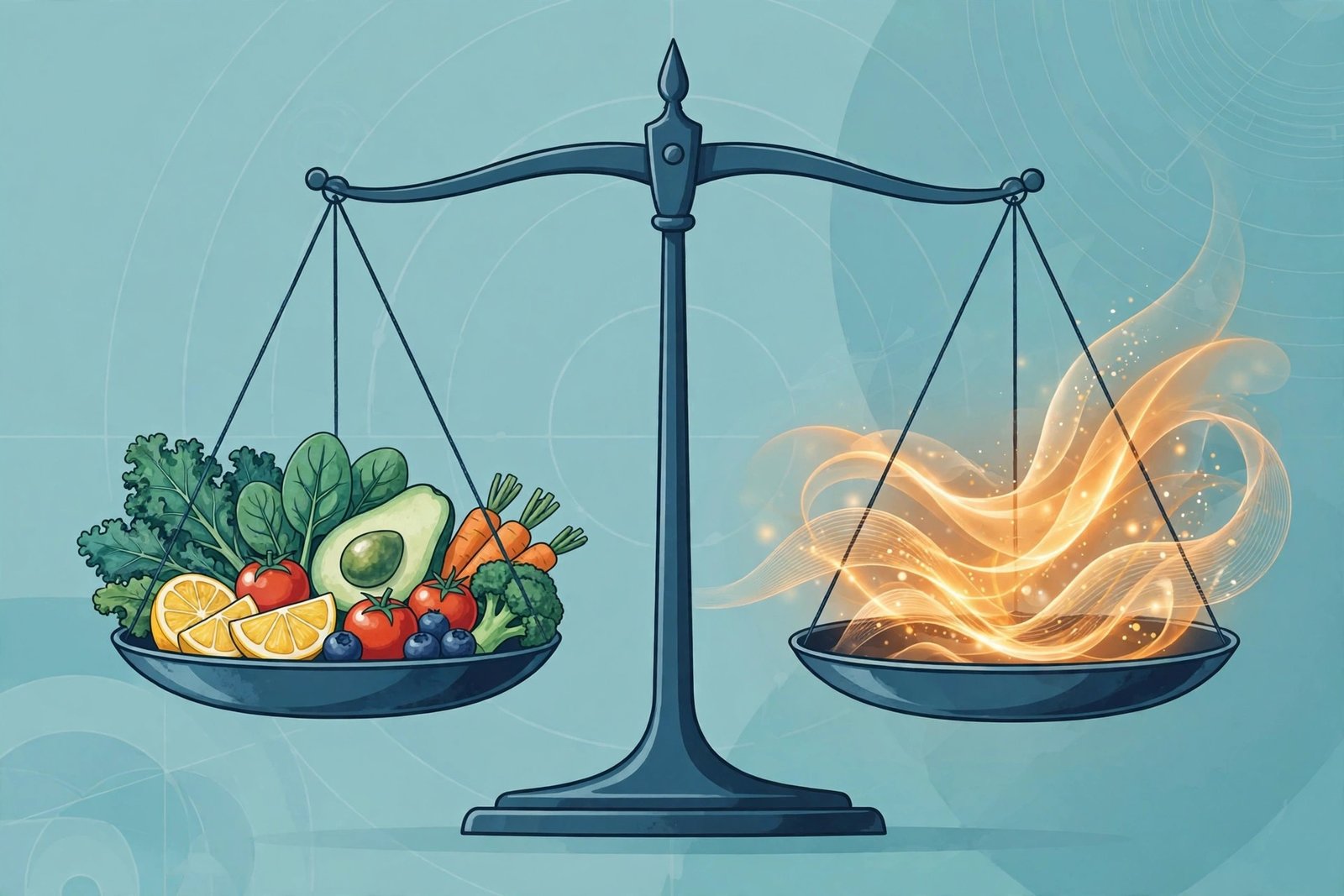
Your body burns energy all day: keeping you alive at rest (basal metabolic rate), digesting food, and fuelling movement and exercise. Together this is your total daily energy expenditure. When the calories you eat and drink are fewer than this total, the shortfall is a calorie deficit — and the body covers it by drawing on stored energy, mostly fat.
A commonly cited rule of thumb is that a daily deficit of about 500 calories leads to roughly half a kilogram (about a pound) of weight loss per week. In reality the relationship is messier: metabolism adapts, water weight fluctuates, and the rate slows as you get lighter. Treat the numbers as rough guides, not promises.
How It Works in Practice
1. Estimating your needs
Online calculators can estimate your maintenance calories from age, sex, height, weight, and activity level. These are starting estimates, not precise measurements — real needs vary. A practical approach is to track weight and intake for a couple of weeks and adjust based on what actually happens.
2. Creating the deficit
You can widen the gap from either side: eat a little less, move a little more, or both. Most people find a combination easiest — moderate portion adjustments plus regular walking, for example.
3. What the body does in a deficit
In a mild deficit, the body primarily burns fat. In a severe deficit, it also breaks down muscle, slows metabolic rate more aggressively, and triggers stronger hunger signals — which is why extreme deficits usually fail.
Evidence-Based Benefits of a Sensible Deficit
- Fat loss: a sustained moderate deficit is the most reliable driver of fat loss known to nutrition science.
- Metabolic improvements: even modest weight loss is associated with better blood pressure, blood sugar, and cholesterol in people carrying excess weight.
- Reduced joint load: less body weight means less stress on knees, hips, and back.
- Flexibility: the deficit can come from any eating pattern you can sustain — no single “correct” diet is required.
Risks of Getting It Wrong
- Deficits that are too large: eating far too little causes muscle loss, fatigue, hair thinning, hormonal disruption, gallstones, and intense hunger that usually ends in rebound overeating.
- Obsessive tracking: for some people, counting every calorie becomes anxiety-driven or disordered. If tracking harms your mental health, stop and use habit-based methods instead.
- Nutrient deficiencies: very low calorie intakes make it hard to get enough protein, fibre, vitamins, and minerals.
- Metabolic adaptation: prolonged dieting lowers energy expenditure somewhat; planned diet breaks and strength training help counteract this.
- The “eat less, move more” oversimplification: hormones, sleep, stress, medications, and medical conditions all influence appetite and expenditure — willpower is only part of the picture.
Safe Practical Steps
Building a sustainable deficit:
- Aim for a modest deficit — roughly 300 to 500 calories below maintenance for most adults — not an extreme one.
- Prioritise protein (to protect muscle) and fibre (for fullness) at every meal.
- Cut liquid calories first: sugary drinks and alcohol are the easiest wins.
- Add daily movement you enjoy — walking is the most underrated fat-loss tool.
- Strength-train 2 to 3 times a week to preserve muscle.
- Weigh or measure every 1 to 2 weeks and adjust based on trends, not single readings.
- Expect plateaus every few weeks; hold steady before cutting further.
When to Talk to a Doctor
Seek medical guidance before deliberately creating a calorie deficit if you have diabetes, thyroid disease, heart or kidney conditions, take regular medication, have a history of eating disorders, are pregnant or breastfeeding, or are under 18. Also see a doctor for unexplained weight loss — losing weight without trying can signal a medical problem.
Frequently Asked Questions
Do I have to count calories?
No. Many people succeed with habit-based approaches — smaller portions, more protein and vegetables, fewer sugary drinks — that create a deficit without counting. Tracking is a tool, not a requirement.
Why did my weight loss stop?
Plateaus are normal: water shifts, metabolic adaptation, and smaller bodies burning fewer calories all play a role. Review portions, activity, and sleep before cutting calories further.
Does eating too little slow my metabolism?
Severe, prolonged restriction does reduce energy expenditure. A moderate deficit with enough protein and strength training minimises this effect.
Can I target fat loss to one area?
No — the body decides where fat comes from. A deficit reduces fat overall, including from the abdomen over time.
Key Takeaways
- A calorie deficit — using more energy than you consume — is the mechanism behind virtually all fat loss.
- Aim for a modest deficit of roughly 300–500 calories per day; extreme deficits backfire.
- Protect muscle with protein and strength training; create the deficit through sustainable habits.
- Counting is optional, plateaus are normal, and medical conditions warrant professional guidance first.
Disclaimer: This article is for informational purposes only and is not a substitute for professional medical advice, diagnosis, or treatment. Please consult a qualified doctor for personal health concerns.