
Medically reviewed by Dr. Ata Ullah, MD (Medicine), Physician Consultant.
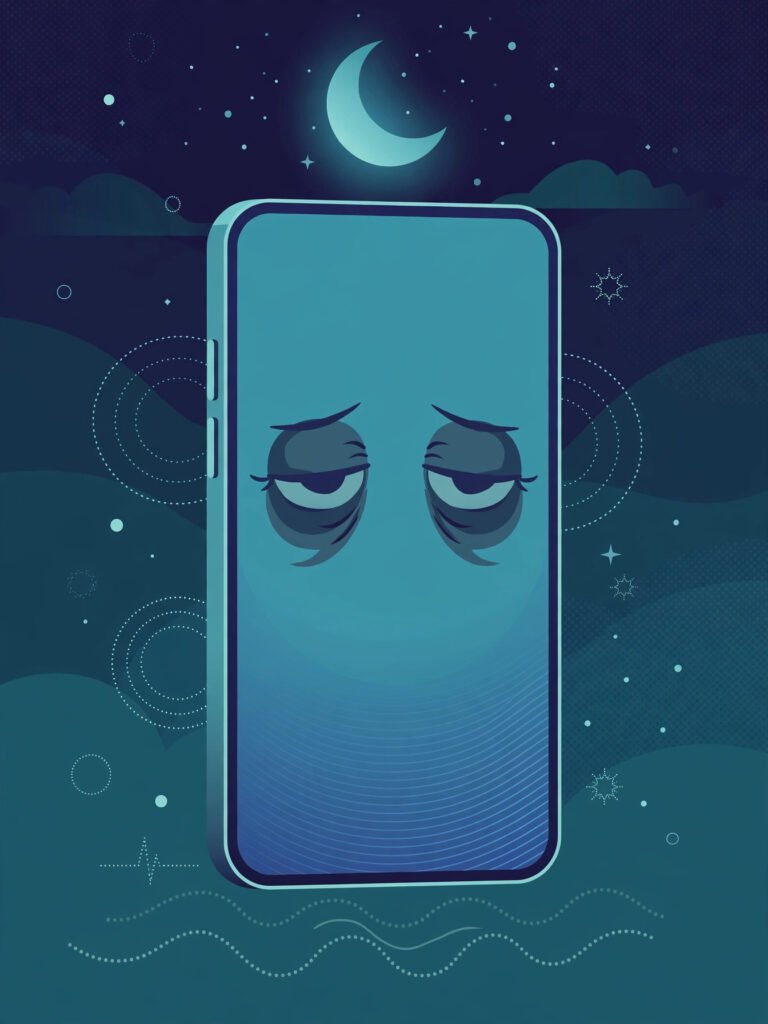
The average person now spends hours each day looking at a phone — checking messages on waking, scrolling through meals, and taking the screen to bed. Smartphones have transformed work, connection, and entertainment, but this constant companionship comes with physical and mental costs that researchers are only beginning to fully map: strained eyes, aching necks, disrupted sleep, fragmented attention, and rising anxiety.
This article examines what heavy phone and screen time can do to your health — eyes, sleep, posture, mind, and relationships — and offers practical, realistic steps to reclaim balance without giving up the technology itself.

What It Is: The Screen Time Health Question
“Screen time” covers all hours spent on phones, tablets, computers, and televisions. While not all screen time is equal — a video call with family differs from three hours of late-night scrolling — research increasingly links heavy, passive, and late-night screen use to a cluster of health complaints. The concerns span the body (eyes, neck, sleep, activity levels) and the mind (attention, mood, stress), and they affect both adults and children, though children and teenagers warrant special caution because their brains and habits are still developing.
Why It Matters
Phones are the first thing many people reach for in the morning and the last thing they see at night, which means screen habits shape two pillars of health — sleep and physical activity — every single day. Poor sleep and sedentary behavior are linked to a wide range of problems, from weakened immunity and weight gain to low mood and reduced work performance. Because phone use is habitual and often unconscious, many people underestimate their own screen time considerably. Understanding the specific harms makes it easier to change the specific habits.
Key Facts and Guidance: How Screens Affect the Body
Eyes: digital eye strain
Prolonged close-up screen use is associated with digital eye strain — dry, tired, burning eyes, blurred vision, and headaches. People blink far less often while staring at screens, which dries the eyes, and small text held close forces sustained focusing effort. Bright screens in dark rooms add further strain.
Sleep disruption
Nighttime screen use can delay sleep in two ways: the stimulating content keeps the mind alert, and screen light — particularly in the hour before bed — can interfere with the body’s natural sleep signals. The result is later bedtimes, lighter sleep, and daytime tiredness. Using the phone in bed is one of the most consistent predictors of poor sleep quality in studies of screen habits.
Neck, shoulders, and posture (“tech neck”)
Bending the head down to look at a phone for long periods loads the neck and upper back, contributing to stiffness, pain, and headaches. Hours of sitting with a phone also displace physical activity, compounding risks to weight, circulation, and musculoskeletal health.
Hands and thumbs
Repetitive tapping, swiping, and gripping can cause thumb and wrist soreness — sometimes called “texting thumb” — particularly with prolonged gaming or messaging.
Key Facts and Guidance: How Screens Affect the Mind
- Fragmented attention: constant notifications train the brain to expect interruption, making deep focus harder — many people check their phones without consciously deciding to.
- Mood and comparison: heavy social media use is associated in research with increased anxiety, low self-esteem, and depressive symptoms, partly through constant social comparison and negative content.
- Stress and overload: the pressure to respond instantly to messages and the endless stream of alarming news can keep stress levels elevated.
- Sleep-mood loop: poor sleep from late-night use worsens next-day mood and focus, which can drive more compensatory scrolling — a cycle worth breaking deliberately.
- Children and teens: developing brains are more sensitive to these effects; excessive recreational screen time in youth is linked to sleep loss, reduced physical activity, and attention difficulties.
Practical Steps to Healthier Phone Habits
- Protect your sleep: set a “screens off” time 30–60 minutes before bed; charge the phone outside the bedroom and use a regular alarm clock.
- Use the 20-20-20 rule and consciously blink during long screen sessions; adjust text size and brightness instead of squinting.
- Fix your posture: hold the phone at eye level when possible, take movement breaks, and stretch the neck and shoulders regularly.
- Tame notifications: turn off non-essential alerts, use do-not-disturb modes, and batch-check messages at set times.
- Measure honestly: check your phone’s built-in screen-time report weekly — most people are surprised — and set app limits for your biggest time sinks.
- Create phone-free zones: meals, the bedroom, and face-to-face conversations.
- Replace, don’t just restrict: fill reclaimed time with walks, hobbies, or in-person socializing so the change feels like a gain.
- For children: model the habits you want to see, keep devices out of bedrooms at night, and agree on clear family screen rules together.
Risks and Limitations
Screen-time research has limits: much of it is observational, meaning it shows associations rather than proving that phones cause every linked problem — people who are anxious or sleeping poorly may also reach for their phones more. Not all screen use is harmful; educational, creative, and social uses can be positive. And drastic “digital detox” approaches often fail because phones are genuinely useful tools. The realistic goal is mindful use: keeping the benefits while trimming the habitual, late-night, and compulsive patterns that research most consistently links to harm.
Frequently Asked Questions
Does blue light from phones damage eyes?
There is no strong evidence that typical phone use causes permanent eye damage. The proven problems are eye strain, dryness, and sleep disruption — all manageable with better habits.
How much screen time is too much?
There is no single safe number. What matters more is how and when: late-night use, constant interruptions, and screen time that displaces sleep, exercise, or real-world connection are the patterns most linked to harm.
Do blue-light glasses or night modes help?
Night modes that warm the display may modestly help sleep habits, mainly by reminding you it’s late. Evidence for blue-light glasses preventing eye strain is limited — the 20-20-20 rule and blinking matter more.
Is phone addiction real?
“Phone addiction” isn’t a formal medical diagnosis, but compulsive phone use with loss of control is a real behavioral pattern. If you can’t cut back despite wanting to, consider professional support.
Should children have strict screen limits?
Most pediatric guidance recommends limits on recreational screen time for children, no screens during meals or before bed, and plenty of physical play. Consistency and parental modeling matter most.
Key Takeaways
- Heavy phone use is linked to eye strain, poor sleep, neck pain, fragmented attention, and lower mood.
- Nighttime and compulsive use patterns matter more than total hours.
- Simple habits — screens off before bed, the 20-20-20 rule, notification control — make a real difference.
- Seek help for persistent physical symptoms or when phone use harms your mental health or daily life.
Disclaimer: This article is for informational purposes only and is not a substitute for professional medical advice, diagnosis, or treatment. Please consult a qualified doctor for personal health concerns.