
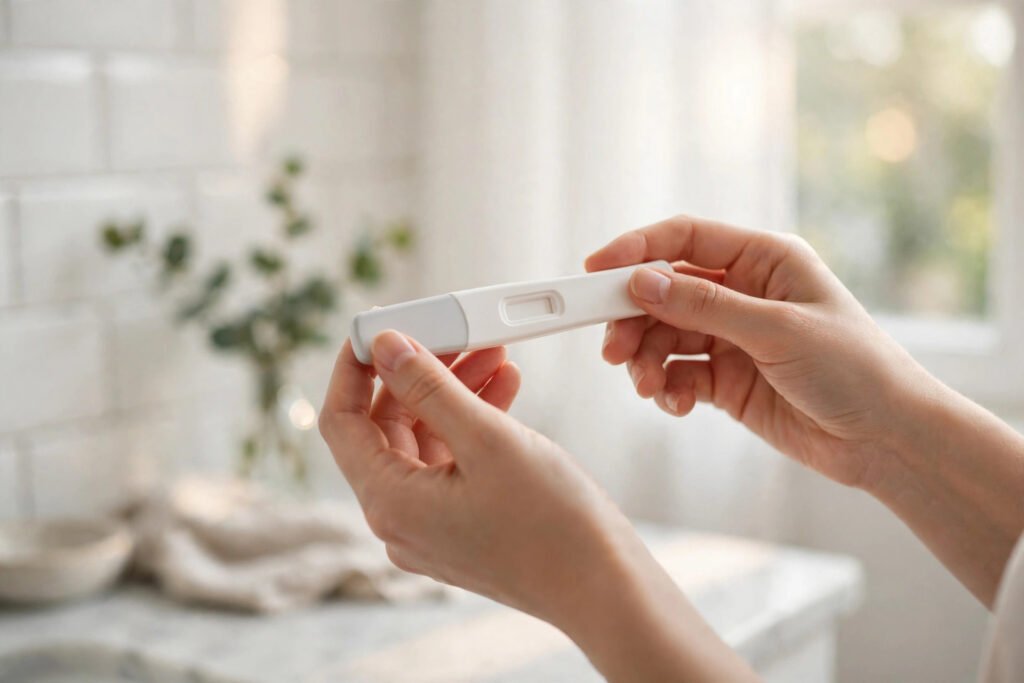
Am I Pregnant? 12 Early Pregnancy Signs to Watch Before You Test
The days between possible conception and a reliable test result can feel endless — and every twinge starts to feel like a clue. The truth is that early pregnancy signs are real, but they are also subtle, variable, and easy to confuse with premenstrual symptoms. This guide walks through the earliest signs of pregnancy, explains why they happen, when testing actually works, and what to do with the answer — whichever way it goes.
Medically reviewed by Dr. Ata Ullah, MD (Medicine)
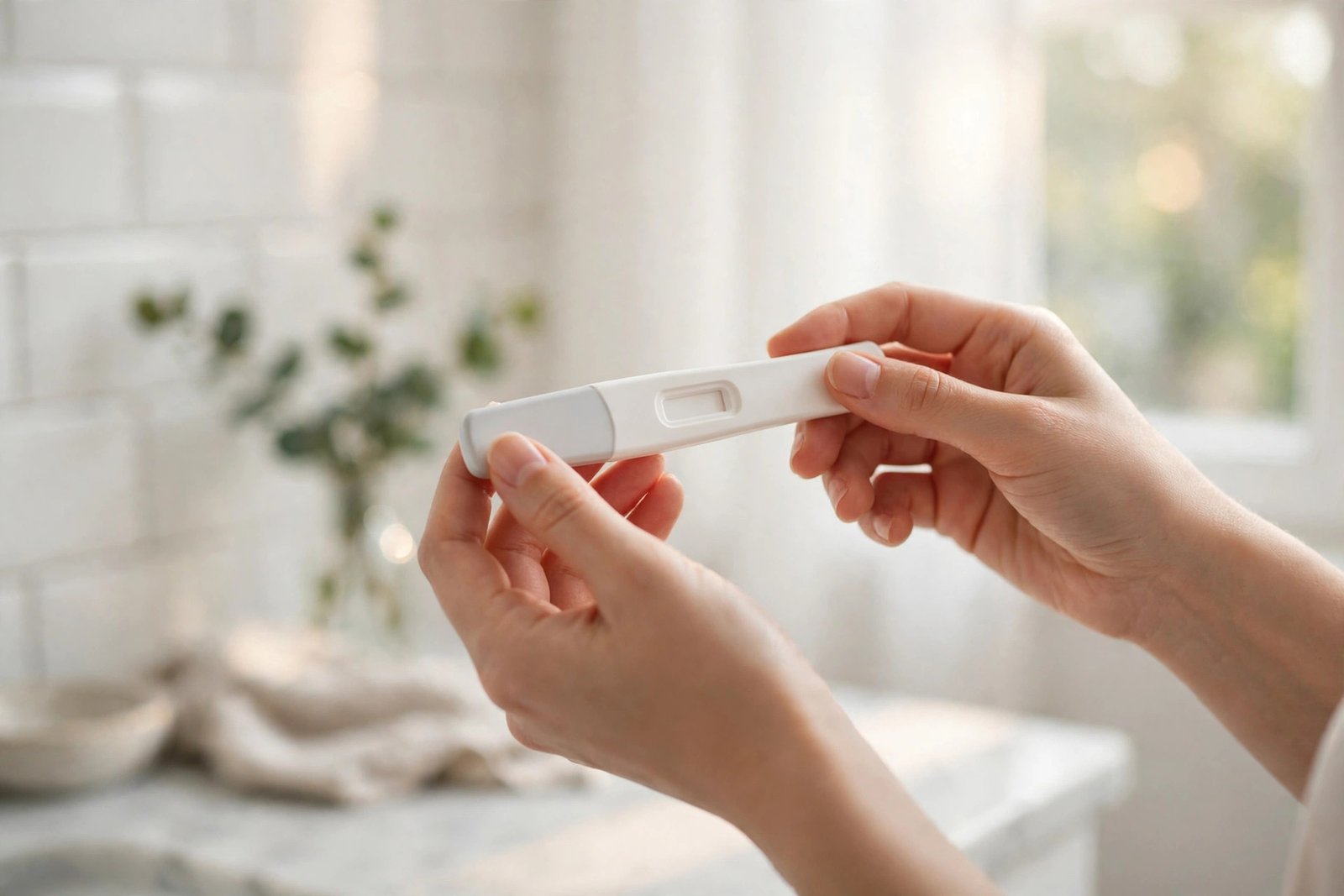
How Soon Can Signs Appear?
After fertilization, the embryo travels down the fallopian tube and implants into the uterine lining — usually 6 to 12 days after ovulation. Only after implantation does the body begin producing hCG (human chorionic gonadotropin), the hormone behind both pregnancy symptoms and positive tests.
That timeline means the very earliest physical signs can appear roughly one to two weeks after conception — around the time of a missed period, or in some cases a few days before it. Before implantation, there are no pregnancy symptoms at all; anything felt earlier is related to ovulation or the normal hormonal shifts of the cycle.
Every pregnancy is different: some people notice changes within days of a missed period, others feel nothing for weeks, and both experiences are completely normal.
12 Early Signs of Pregnancy
These are the most commonly reported early signs, roughly in the order they tend to appear:
- Missed period — the classic first sign, and the most reliable reason to take a test. (Irregular cycles can muddy this, of course.)
- Implantation spotting — light pink or brown spotting lasting a few hours to a couple of days as the embryo attaches to the uterine wall. It is lighter and shorter than a period and is often mistaken for one.
- Implantation cramping — mild, brief twinges in the lower abdomen around the time of implantation, gentler than period cramps.
- Breast tenderness and swelling — sore, heavy, or tingling breasts as rising estrogen and progesterone increase blood flow; the areolas may darken.
- Fatigue — profound tiredness in the first weeks, driven by soaring progesterone and the metabolic work of early pregnancy.
- Nausea (“morning sickness”) — can strike at any time of day; typically begins around weeks 4–6 and is linked to rising hCG.
- Heightened sense of smell — odors suddenly seem stronger or unpleasant, often triggering nausea or food aversions.
- Food aversions and cravings — sudden disgust for previously loved foods (coffee is a famous one) or intense cravings.
- Frequent urination — increased blood flow to the kidneys plus hormonal changes send you to the bathroom more often, even before the uterus is large enough to press on the bladder.
- Mood swings — tearfulness, irritability, or emotional sensitivity as hormones surge.
- Bloating — progesterone slows digestion, causing a gassy, bloated feeling very similar to PMS.
- Lightheadedness — blood vessels dilate and blood pressure dips slightly in early pregnancy, causing occasional dizziness.
Why You Might Feel Nothing at All
Not feeling symptoms does not mean not being pregnant. Several factors explain the wide variation:
- hCG rises at different rates in different people — lower early levels mean subtler symptoms.
- Symptom sensitivity varies; some people simply notice bodily changes less.
- First vs. later pregnancies often feel different; there is no rule that each pregnancy announces itself the same way.
- Stress and illness can both mimic early symptoms and mask them.
- A late ovulation shifts the entire timeline — you may simply be earlier than you think.
If your period is late but you feel completely normal, that tells you nothing either way. Test, do not guess.
Tests & Diagnosis: When and How to Test
Pregnancy tests detect hCG in urine or blood. Timing is everything — testing too early is the most common reason for a misleading result.
Home urine test
Most reliable from the first day of a missed period, when hCG is usually high enough to detect. For best accuracy: use first-morning urine (most concentrated), follow the instructions exactly, and read the result within the stated time window. A negative result with a still-missing period should be repeated in two to three days. False positives are rare but can occur with certain hCG-containing fertility drugs, a recent miscarriage, or reading the test too late.
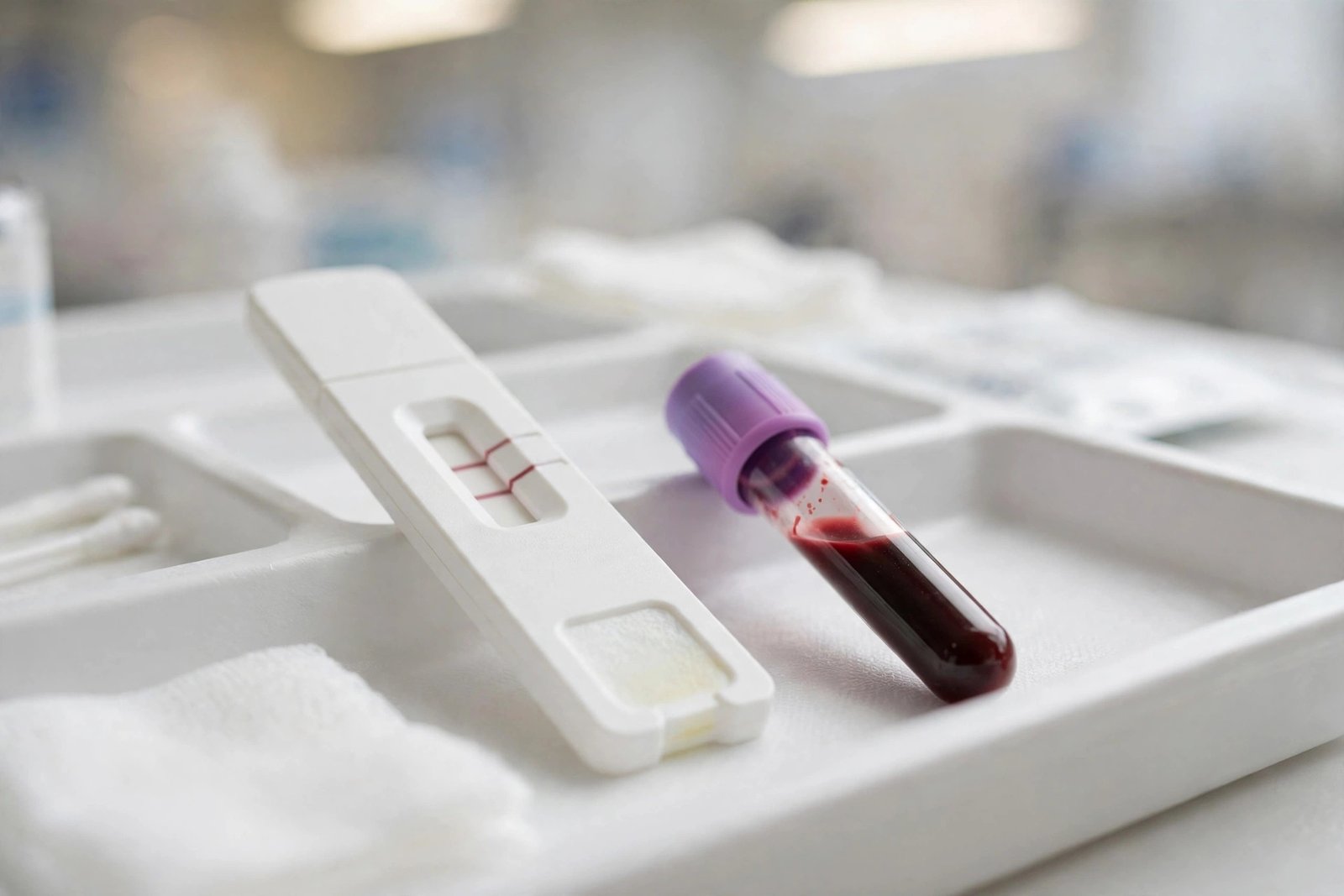
Blood beta-hCG test
Done at a clinic or lab, blood tests detect pregnancy about six to eight days after ovulation — several days earlier than home urine tests. The qualitative test gives a yes/no answer; the quantitative test measures the exact hCG level. Doctors often repeat the blood test after 48–72 hours: in a normally progressing early pregnancy, the hCG number is expected to roughly double in that window.
Ultrasound confirmation
A transvaginal ultrasound can usually visualize the gestational sac around 5–6 weeks of gestational age (about a week after a missed period) and detect the embryo’s heartbeat around 6–7 weeks. This is how a pregnancy is definitively confirmed and dated.

What to Do Next
Whether the result is positive, negative, or unclear, here are the sensible next steps:
- Positive test: congratulations — book a prenatal appointment (usually scheduled for 8–10 weeks) and start taking folic acid (400–800 micrograms daily) if you have not already.
- Negative test but no period: wait two to three days and test again with first-morning urine. If periods remain absent after a week of negative tests, see your doctor — other conditions, including thyroid problems and stress, can delay periods.
- Faint line: any visible line in the result window within the reading time usually means positive — retest in 48 hours to watch it darken as hCG rises.
- Avoid alcohol and tobacco from the moment pregnancy is possible, and review any medications with your doctor or pharmacist.
- Track your symptoms and dates — your provider will want the first day of your last period and any test dates.
Healthy Habits for the Earliest Weeks
The first weeks — often before you even know — are when the baby’s organs begin forming, so early habits matter disproportionately:
- Take folic acid daily — ideally starting before conception; it sharply reduces the risk of neural tube defects.
- Eat balanced meals with plenty of fruits, vegetables, whole grains, and protein.
- Stay hydrated and get extra rest — first-trimester fatigue is real and deserves respect.
- Limit caffeine and avoid raw or undercooked meat, unpasteurized dairy, and high-mercury fish.
- Keep moving gently — walking and prenatal-friendly exercise are safe for most pregnancies.
- Protect your mental health: the uncertainty of early pregnancy is stressful; talk to someone you trust.
When to See a Doctor
A positive test deserves early prenatal care — book as soon as you can. Seek prompt or urgent care if you experience:
- Heavy vaginal bleeding — soaking through a pad in an hour, or passing tissue
- Severe abdominal or pelvic pain, especially sharp pain on one side (possible ectopic pregnancy — a medical emergency)
- Shoulder-tip pain with bleeding or dizziness (another ectopic warning sign)
- Dizziness, fainting, or feeling like you might pass out
- Severe nausea and vomiting with signs of dehydration (very dark urine, dizziness, inability to keep fluids down)
- Fever that does not come down
An ectopic pregnancy — where the embryo implants outside the uterus, usually in a fallopian tube — cannot continue safely and needs emergency treatment. One-sided pain with bleeding in early pregnancy should never be ignored.
Key Takeaways
- Early signs (missed period, spotting, nausea, breast tenderness, fatigue) can start 1–2 weeks after conception — but vary hugely.
- Symptoms overlap heavily with PMS, so they can suggest but never confirm pregnancy.
- Home urine tests are most reliable from the first day of a missed period; use first-morning urine.
- Blood beta-hCG detects pregnancy about 6–8 days after ovulation — earlier than urine tests.
- Ultrasound around 5–6 weeks confirms the pregnancy and dates it accurately.
- Start folic acid, avoid alcohol and tobacco, and book early prenatal care once positive.
Can stress delay my period and mimic pregnancy?
Yes. Stress, illness, travel, and weight changes can all delay ovulation and menstruation — and stress itself can cause nausea, fatigue, and breast tenderness. Only a test resolves the question.
How accurate are home pregnancy tests?
When used correctly from the day of a missed period, they are over 99% accurate. Accuracy falls the earlier you test, mostly because of false negatives from low hCG.
I had bleeding — does that mean I’m not pregnant?
Not necessarily. Light implantation spotting is common. But any bleeding in a known or suspected pregnancy deserves a call to your provider, especially if it is heavy or painful.
“Your Health, Our Responsibility.”
Medical Disclaimer: This article is for informational purposes only and is not a substitute for professional medical advice, diagnosis, or treatment. Always seek the advice of your physician or another qualified health provider with any questions you may have regarding a medical condition. Never disregard professional medical advice or delay seeking it because of something you have read on this site.
Online Consultation: Dr. Ata Ullah (MBBS, MD Medicine), Physician Consultant / Medical Specialist — WhatsApp: 0315 7148181 — Consultation Fees: $30