

Why Are My Periods Irregular? Causes, Signs, and When to Worry
Medically reviewed by Dr. Ata Ullah, MD (Medicine)
An occasional late period is one of the most common worries in women’s health — and most of the time, a single skipped or delayed cycle is harmless. But when your periods keep arriving unpredictably, last far too long, disappear for months, or come with heavy bleeding or severe pain, they may be signalling an underlying condition that deserves attention.
This guide explains, in plain language, what doctors mean by an “irregular period,” the most common causes behind it, the tests used to find the reason, the available treatment options, and the red-flag symptoms that mean you should see a doctor soon. It is written for a global audience and applies whether you are a teenager, in your reproductive years, or approaching menopause.
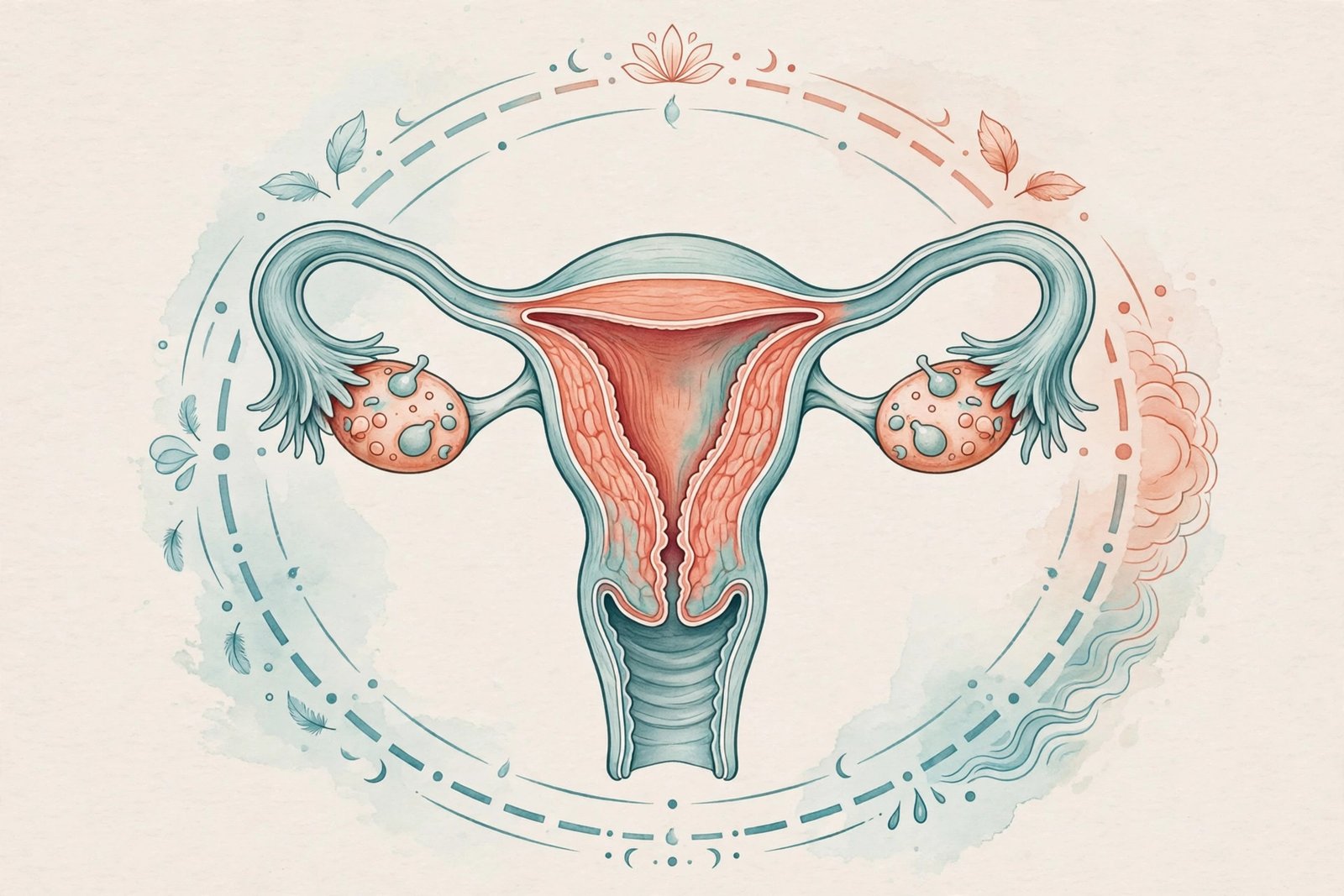
What Is an Irregular Period?
A typical menstrual cycle lasts between 21 and 35 days, counting from the first day of one period to the first day of the next, and bleeding usually lasts 2 to 7 days. Your cycle is considered irregular when it consistently falls outside these ranges — for example, cycles that are shorter than 21 days or longer than 35 days, bleeding that lasts longer than 7 days, missed periods, bleeding between periods, very heavy flow, or periods that vary by many days from one month to the next.
It is important to know that some variation is completely normal. In the first year or two after a girl’s first period, and again during the perimenopausal transition before menopause, uneven cycles are entirely expected — hormone levels are simply shifting more at those stages of life. Stress, travel, illness, or a big change in routine can also delay a single period. Doctors usually start looking more closely when the pattern persists for three or more cycles in a row.
Worth tracking: Note the first day of bleeding each month, how many days the bleeding lasts, how many pads or tampons you use per day, and any symptoms such as cramps, mood changes, or breast tenderness. A simple phone app or paper diary gives your doctor valuable information.
Causes & Risk Factors
Irregular periods almost always trace back to changes in the hormones that control ovulation — mainly oestrogen and progesterone — or to structural conditions in the uterus and ovaries. The most common causes include:
- Stress: When the body is under heavy physical or emotional strain, the brain dials down the hormonal messages that prompt ovulation — so a period may arrive late or not at all. Illness, exams, grief, or major life changes are frequent culprits.
- Polycystic ovary syndrome (PCOS): One of the leading causes of persistent irregularity. In PCOS, hormonal imbalance prevents regular ovulation, producing infrequent, absent, or unpredictable periods, often alongside acne, excess hair growth, or weight gain.
- Thyroid disorders: Both an underactive thyroid (hypothyroidism) and an overactive thyroid (hyperthyroidism) can make periods heavier, lighter, less frequent, or absent.
- Perimenopause: In the years before menopause (often starting in the mid-40s), fluctuating hormones make cycles shorter, longer, heavier, or skipped — a normal part of the transition.
- Weight changes: Significant weight loss, very low body weight, or rapid weight gain can disrupt ovulation. Very low body fat from restrictive eating or intense endurance training is a well-known cause of missed periods.
- Hormonal contraception: Starting, switching, or stopping the pill, patch, ring, injection, or hormonal IUD commonly changes bleeding patterns for a few months; lighter or absent periods are expected with some methods.
- Pregnancy and breastfeeding: For someone who is sexually active, pregnancy is the single most common explanation for a skipped period. Breastfeeding hormones (prolactin) frequently delay the return of periods.
- Uterine fibroids and endometriosis: Fibroids (non-cancerous growths in the uterus) often cause heavy or prolonged bleeding; endometriosis (uterine-like tissue growing outside the uterus) causes very painful, sometimes irregular periods.
- Pelvic inflammatory disease (PID): An infection of the reproductive organs, often linked to untreated sexually transmitted infections, can cause irregular bleeding, pain, and discharge.
- Certain medicines: Some antidepressants, antipsychotics, steroids, blood thinners, and chemotherapy drugs can alter menstrual patterns.
- Premature ovarian insufficiency: When the ovaries slow down well before age 40, periods become irregular and then stop, accompanied by menopause-like symptoms.
Symptoms
Irregular periods show up in different ways. Watch for:
- Periods arriving earlier than 21 days or later than 35 days apart
- Skipped periods — one, several, or all periods missing while not pregnant
- Bleeding that lasts longer than 7 days
- Very heavy flow: soaking through a pad or tampon every hour or two for several hours
- Bleeding or spotting between periods or after sex
- Very light bleeding or periods that stop altogether
- Cycle length varying by many days from month to month
Associated symptoms that add clues about the cause include severe menstrual cramps, acne or oily skin, unusual hair growth on the face or body, hair thinning on the scalp, unexplained weight gain or loss, feeling unusually cold or hot, fatigue, breast tenderness or milk-like discharge, and hot flashes or night sweats (suggesting perimenopause).
Tests & Diagnosis
To find the reason, a doctor will typically start with a detailed history — your cycle pattern, contraception, medicines, stress, diet, and exercise — and may follow with:
- Pregnancy test: Usually the first step when a period is missed, because pregnancy is the most common cause of an absent period.
- Pelvic examination: Checks the uterus, cervix, and ovaries for tenderness, growths, or signs of infection.
- Blood tests: Commonly include thyroid hormones (TSH), prolactin, and sex hormones such as FSH, LH, oestrogen, and testosterone, to look for thyroid disease, PCOS, or premature ovarian insufficiency.
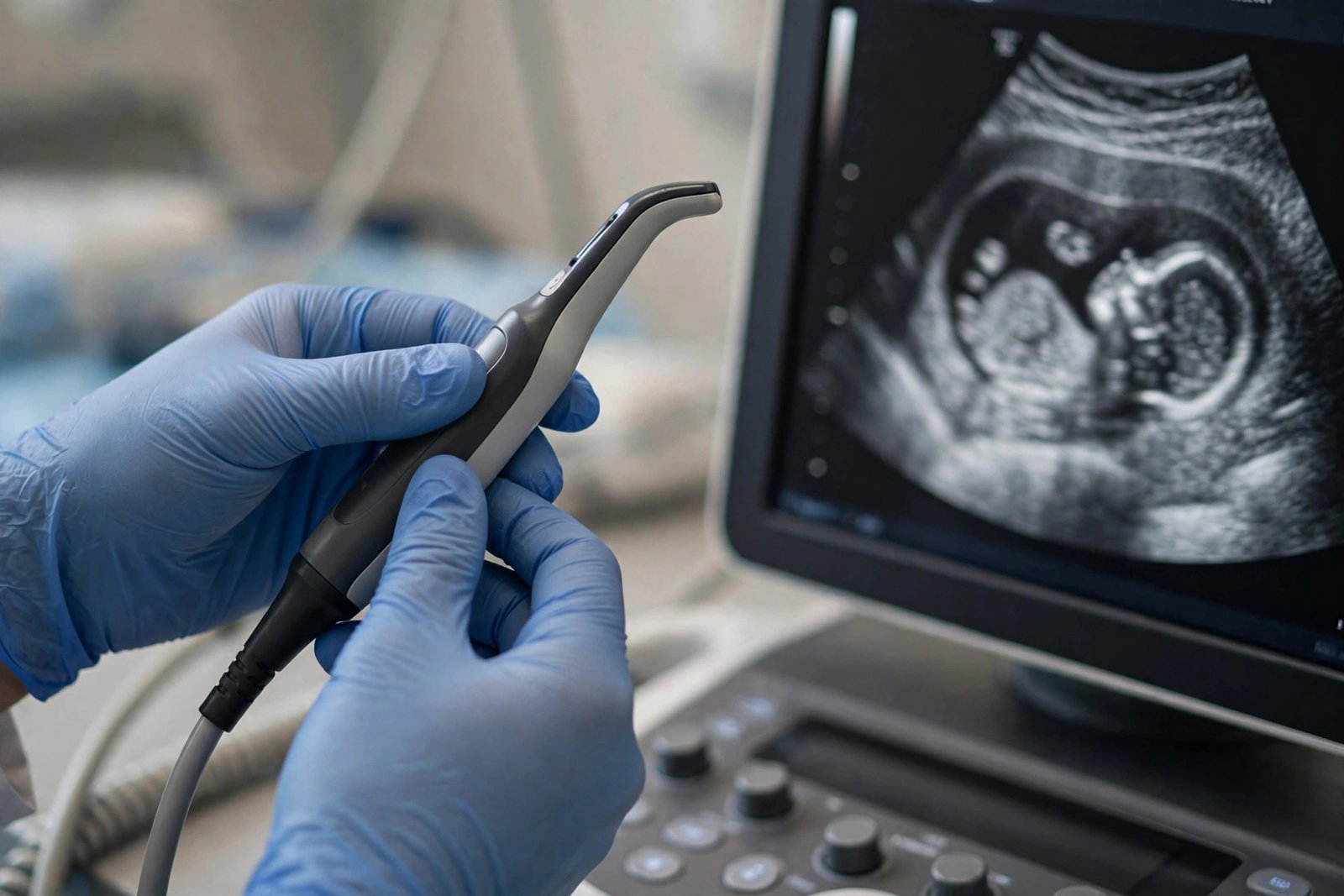
- Pelvic ultrasound: A non-invasive scan that reveals fibroids, ovarian cysts, or the thickened uterine lining, and can assess the ovaries’ appearance in suspected PCOS.
- Cervical screening: A Pap smear or HPV test may be recommended if there is bleeding between periods or after sex.
- Endometrial sampling (biopsy): Occasionally advised — particularly for heavy bleeding in women over 40 or with risk factors — to rule out abnormal cell changes in the uterine lining.
Keeping a three-month record of your bleeding before the appointment makes diagnosis much faster and more accurate.
Treatment Options
Treatment is aimed at the underlying cause rather than the irregularity alone:
- Hormonal treatments: Combined oral contraceptive pills, the patch, the vaginal ring, or a hormonal IUD can regulate bleeding, make periods lighter and predictable, and reduce cramps. A hormonal IUD is often a preferred option for heavy bleeding.
- PCOS management: Lifestyle measures (balanced diet, regular activity, gradual weight loss where appropriate) are first-line; doctors may add hormonal contraception to regulate cycles, or medicines such as metformin when there are blood-sugar concerns, under medical supervision.
- Thyroid treatment: Thyroid hormone replacement for hypothyroidism, or anti-thyroid medicines and other specialist care for hyperthyroidism, usually restores normal cycles.
- Non-hormonal medicines for heavy bleeding: Doctors may prescribe medicines such as tranexamic acid or anti-inflammatory drugs during menstruation to reduce blood loss and pain.
- Infection treatment: Pelvic inflammatory disease is treated with antibiotics, and partners may also need treatment.
- Fibroid and endometriosis care: Options range from hormonal therapy and pain management to minimally invasive procedures or surgery, depending on size, symptoms, and future pregnancy plans.
- Lifestyle and watchful waiting: When stress, temporary weight change, or adolescence is the cause, doctors may simply advise tracking cycles and reviewing again in a few months.
Note: Iron deficiency anaemia is common with heavy or frequent bleeding. If you feel persistently tired, pale, or breathless, ask your doctor about an iron-level blood test.
Lifestyle Management & Prevention
- Track your cycles: Record dates, flow, and symptoms so patterns — and changes — are visible early.
- Manage stress: Regular sleep, exercise, and relaxation practices help stabilise the hormones behind ovulation.
- Maintain a healthy weight: Avoid crash diets; aim for gradual, sustainable eating habits and regular moderate activity.
- Don’t overtrain: Very intense exercise without enough food intake can stop periods. Fuel adequately and include rest days.
- Eat enough iron-rich foods: Meat, beans, lentils, leafy greens, and fortified cereals help replace iron lost through heavy bleeding.
- Review contraception with your doctor: If a method is causing bothersome irregularity, another method may suit you better — discuss options rather than stopping abruptly without backup contraception.
When to See a Doctor
Book an appointment if your periods have been irregular for three or more consecutive cycles, or sooner if any of the following apply:
Seek prompt or urgent medical care if you:
- Soak through a pad or tampon every hour for several consecutive hours
- Bleed for longer than 7 days, or pass large clots repeatedly
- Bleed between periods, after sex, or after menopause (any post-menopausal bleeding needs evaluation)
- Have severe pelvic pain, fever, or unusual vaginal discharge
- Feel faint, dizzy, very pale, or short of breath (possible heavy blood loss or anaemia)
- Miss three periods in a row and are not pregnant
- Have signs of PCOS (excess facial/body hair, acne, weight gain) or menopause symptoms before age 40
Key Takeaways
- A cycle of 21–35 days with 2–7 days of bleeding is typical; consistent deviation from this is considered irregular.
- Stress, PCOS, thyroid problems, perimenopause, weight changes, and hormonal contraception are the most common causes.
- A missed period is most often caused by pregnancy, stress, or temporary hormone disruption — but repeated irregularity deserves evaluation.
- Diagnosis usually involves a pregnancy test, blood tests (thyroid, prolactin, sex hormones), and a pelvic ultrasound.
- Treatments target the cause: hormonal regulation, thyroid care, PCOS management, infection treatment, or fibroid care.
- Seek care urgently for very heavy bleeding, bleeding after menopause, severe pain, or faintness.
Reviewed by Dr. Ata Ullah
Dr. Ata Ullah — MBBS, MD Medicine, Physician Consultant
“Your Health, Our Responsibility.”
This article is for informational and educational purposes only and is not a substitute for professional medical advice, diagnosis, or treatment. Always seek the advice of your doctor or another qualified health provider with any questions you may have about a medical condition. Never disregard professional medical advice or delay seeking it because of something you have read on this website.
Online Consultation: Dr. Ata Ullah (MBBS, MD Medicine), Physician Consultant / Medical Specialist — WhatsApp: 0315 7148181 — Consultation Fees: $30