

Why Do I Have Frequent Headaches? Causes, Diagnosis, and Relief
Medically reviewed by Dr. Ata Ullah, MD (Medicine)
Headaches are among the most common health complaints in the world — almost everyone gets them, but when they keep returning week after week, they can interfere with your job, your family life, and your rest. The good news is that the vast majority of frequent headaches are caused by benign, treatable conditions rather than serious disease.
This guide explains the difference between the main headache types, the most common triggers behind frequent episodes, how doctors diagnose the cause, evidence-based treatment options, practical prevention strategies, and the warning signs that mean a headache needs urgent medical attention.
What Are Frequent Headaches?
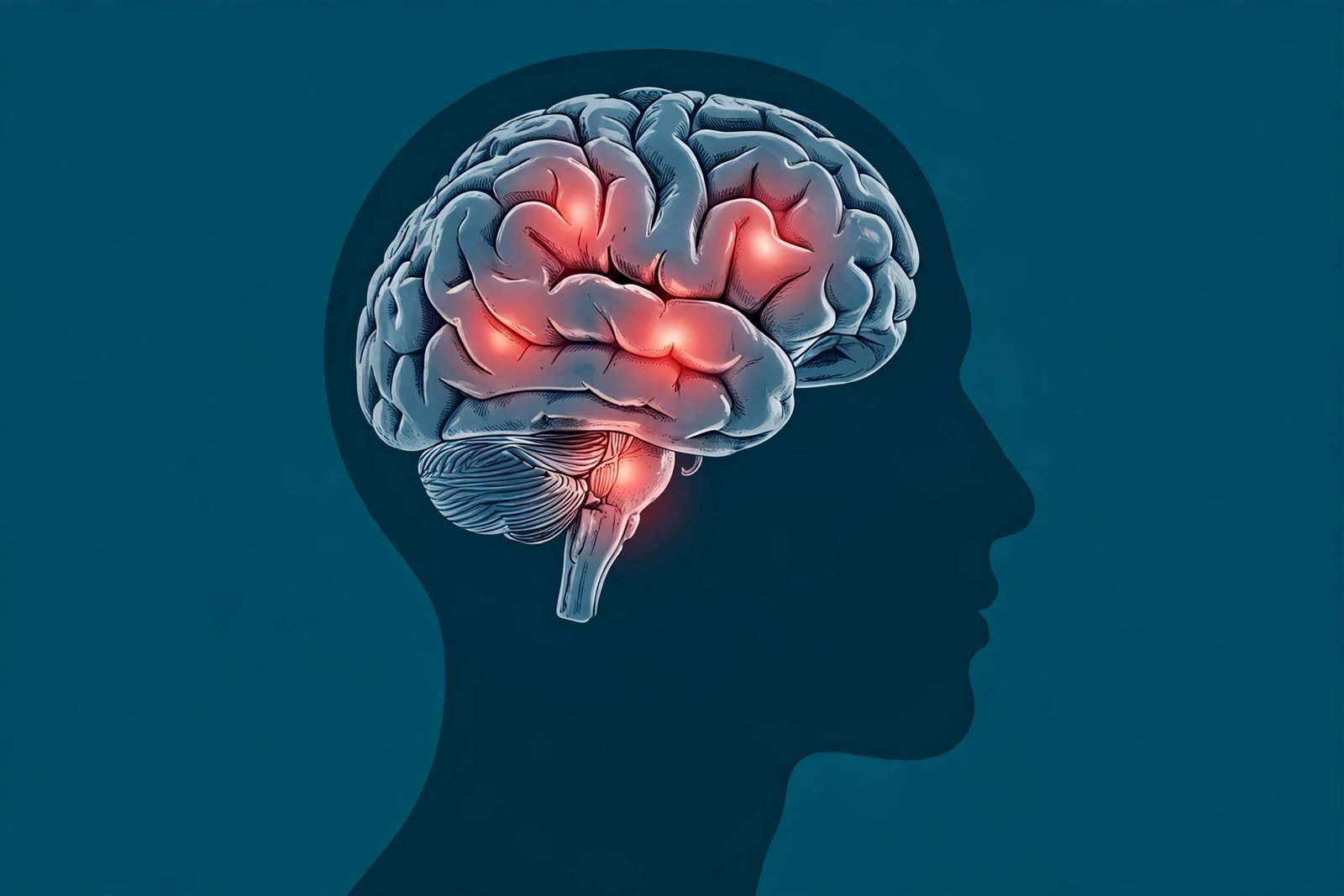
Doctors use the word “headache” for pain anywhere in the head, face, or upper neck, but frequent headaches are really a group of distinct disorders. A headache that occurs 15 or more days per month is described as chronic, while episodic headaches strike less often but still regularly. The pattern of your pain — where it hurts, what it feels like, and what accompanies it — is the biggest clue to the type.
The two most common types are tension-type headaches (a dull, pressing band-like tightness on both sides of the head, often linked to stress and muscle tension) and migraine (a throbbing, usually one-sided pain that can be moderate to severe, often with nausea and sensitivity to light and sound, sometimes preceded by visual “aura”). Other causes include sinus-related headaches, medication-overuse headache (from using painkillers too often), caffeine withdrawal, hormonal headaches around menstruation, and — rarely — secondary headaches caused by another medical problem such as high blood pressure emergencies, infections, or structural issues in the brain.
Causes & Risk Factors
Frequent headaches usually result from a mix of biological susceptibility and everyday triggers:
- Stress and muscle tension: The leading trigger for tension-type headaches; tight neck and scalp muscles and sustained mental strain both play a role.
- Migraine biology: Migraines involve complex changes in brain chemistry and blood vessels, and they run strongly in families. Oestrogen fluctuations make menstrual migraines common in women.
- Poor sleep: Too little sleep, irregular sleep times, and untreated sleep apnoea are major headache triggers.
- Dehydration and skipped meals: Going long hours without water or food, or fasting, can precipitate headaches in susceptible people.
- Caffeine patterns: Both excess caffeine and sudden withdrawal can trigger headaches; the same applies to alcohol, especially red wine in some migraine sufferers.
- Eye strain and posture: Long screen time without breaks, uncorrected vision, and “tech neck” posture contribute to tension-type pain.
- Medication overuse: Using painkillers (including over-the-counter ones) more than about 2–3 days per week can create a rebound cycle of daily headaches.
- Sinus and nasal issues: Sinusitis, allergies, and congestion cause pressure-like pain across the forehead and cheeks.
- Hormonal changes: Periods, perimenopause, pregnancy, and some contraceptives affect migraine frequency.
- Less common medical causes: High blood pressure (usually only when very severely raised), dental or jaw problems (TMJ), and rarely infections or brain-related conditions.
Symptoms
Different headache types feel different:
- Tension-type: Dull, aching pressure on both sides of the head, like a tight band; neck and shoulder tightness; usually not worsened by activity; no nausea.
- Migraine: Throbbing pain, often one-sided; moderate to severe intensity; nausea or vomiting; sensitivity to light, sound, and smells; visual aura (flashing lights, zigzag lines, blind spots) in about a quarter of sufferers; worsened by routine activity.
- Sinus headache: Aching pressure in the forehead, cheeks, or around the eyes; worse when bending forward; often with nasal congestion or discharge.
- Cluster headache: Severe, piercing pain around one eye, in bursts of weeks; eye watering and redness, nasal congestion on that side — rare but extremely painful, and more common in men.
- Medication-overuse headache: Dull daily or near-daily headache that briefly improves with painkillers and then returns.
Keep a headache diary: Note the date, time, duration, pain location, severity (1–10), possible triggers (sleep, food, stress, menstruation), and what helped. Two weeks of records can transform your doctor’s ability to diagnose you.
Tests & Diagnosis
There is no single blood test for most headaches — diagnosis is mainly clinical, based on your history and a physical examination. A typical evaluation includes:
- Detailed history: Your headache diary, pain pattern, triggers, family history, medicines, caffeine and alcohol use, sleep, and stress.
- Neurological examination: Tests of reflexes, vision, coordination, muscle strength, and sensation to look for signs of a secondary cause.
- Blood pressure check and general examination: Including examination of the sinuses, neck, jaw, and eyes.
- Blood tests (when indicated): For example thyroid function or markers of infection, if the history suggests another underlying condition.
- Brain imaging (MRI or CT scan): Not needed for most headaches. Doctors order imaging when there are red-flag features — a sudden “worst-ever” headache, new pattern after age 50, neurological symptoms, headache after head injury, or a headache that keeps changing and worsening.
Your doctor may also use standard diagnostic criteria (such as the International Classification of Headache Disorders) to classify your headache type, since treatment differs between types.

Treatment Options
- Acute (as-needed) treatment: Over-the-counter painkillers such as paracetamol (acetaminophen), ibuprofen, or naproxen work well for many tension-type headaches and mild migraines. Migraine-specific medicines called triptans are prescription drugs that work best when taken early in an attack.
- Preventive treatment: If headaches occur frequently or are disabling, doctors may prescribe daily preventive medicines — such as certain blood-pressure medicines (beta blockers), anti-seizure medicines, or newer migraine-specific preventives (CGRP-targeting therapies) — to reduce how often attacks happen.
- Treat the underlying cause: Sinus infections are treated with appropriate medication; jaw problems with dental care; sleep apnoea with sleep therapy; eye strain with corrected vision and screen breaks.
- Breaking the medication-overuse cycle: A doctor can supervise a planned reduction of painkillers, sometimes with bridging therapy, which often dramatically reduces headache days.
- Non-drug therapies: Relaxation training, biofeedback, cognitive behavioural therapy for stress-related headaches, physiotherapy for neck tension, and regular aerobic exercise all have evidence behind them. Some people benefit from acupuncture or, for chronic migraine, Botox injections administered by a specialist.
- Emergency care: A severe migraine attack that does not respond to usual treatment may need urgent care for stronger anti-nausea or pain medicines.
Medication rule of thumb: Using acute painkillers more than 2–3 days a week can itself cause headaches. If you are reaching for painkillers that often, talk to your doctor about preventive options instead.

Lifestyle Management & Prevention
- Sleep regularly: Keep consistent bedtimes and wake times; aim for 7–9 hours.
- Stay hydrated and eat regularly: Don’t skip meals; limit alcohol.
- Manage caffeine: Keep intake moderate and consistent — avoid sudden withdrawal.
- Take screen breaks: Follow the 20-20-20 rule — every 20 minutes, gaze at something roughly 6 metres (20 feet) away for 20 seconds — and check your posture.
- Exercise regularly: Aerobic activity several times a week reduces both tension-type and migraine frequency.
- Manage stress: Relaxation techniques, mindfulness, and regular downtime help more than most people expect.
- Identify your triggers: Use your diary to spot personal patterns — certain foods, smells, weather changes, or hormonal timing.
When to See a Doctor
See your doctor if headaches are frequent (weekly or more), worsening, changing pattern, interfering with daily life, or requiring painkillers most days.
Seek urgent or emergency care immediately for any headache with:
- Sudden, severe “thunderclap” pain — the worst headache of your life, peaking within seconds or minutes
- Headache after a head injury
- Fever, stiff neck, confusion, or rash (possible meningitis)
- Weakness, numbness, trouble speaking, vision loss, or seizures
- Headache with severe vomiting, fainting, or loss of consciousness
- New headache pattern after age 50
- Headache during pregnancy with high blood pressure, swelling, or vision changes
Key Takeaways
- Most frequent headaches are tension-type headaches or migraines — common and treatable, not usually dangerous.
- Triggers include stress, poor sleep, dehydration, skipped meals, caffeine changes, eye strain, and hormonal shifts.
- Using painkillers more than 2–3 days a week can cause rebound medication-overuse headaches.
- Diagnosis is based on history and neurological examination; brain scans are only needed when red flags are present.
- Preventive medicines and lifestyle measures can sharply reduce headache frequency — keep a diary to find your triggers.
- A sudden “worst-ever” headache or one with neurological symptoms needs emergency care.
Reviewed by Dr. Ata Ullah
Dr. Ata Ullah — MBBS, MD Medicine, Physician Consultant
“Your Health, Our Responsibility.”
This article is for informational and educational purposes only and is not a substitute for professional medical advice, diagnosis, or treatment. Always seek the advice of your doctor or another qualified health provider with any questions you may have about a medical condition. Never disregard professional medical advice or delay seeking it because of something you have read on this website.
Online Consultation: Dr. Ata Ullah (MBBS, MD Medicine), Physician Consultant / Medical Specialist — WhatsApp: 0315 7148181 — Consultation Fees: $30