
Endometriosis: Symptoms and Treatment Options
Medically reviewed by Dr. Ata Ullah, MD (Medicine), Physician Consultant.
Period pain that keeps you home from work, pelvic pain that lingers for weeks, pain during intimacy, trouble conceiving — for millions of women, these are not “just bad periods.” They are the hallmarks of endometriosis, a condition in which tissue similar to the uterine lining grows where it does not belong. It takes, on average, many years from first symptoms to diagnosis, partly because its signs are so often dismissed. This guide explains what endometriosis is, why it happens, how doctors find it, and the full range of treatment options available today.

What Is Endometriosis?
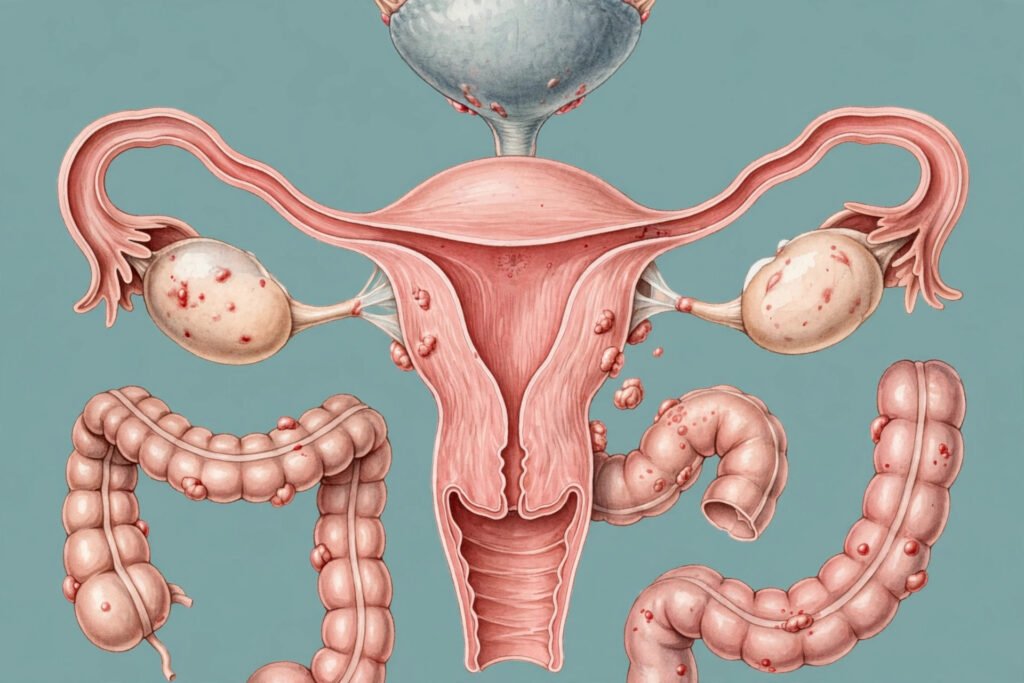
Each month, the endometrium — the lining of the uterus — thickens and then sheds as a period. In endometriosis, tissue similar to that lining implants outside the uterus: on the ovaries, fallopian tubes, the outer surface of the uterus, the bowel, the bladder, or the tissue lining the pelvis. These implants respond to the same monthly hormones, so they thicken, break down, and bleed with each cycle — but with no exit route, the trapped blood triggers inflammation, scarring, adhesions (bands of tissue that stick organs together), and sometimes cysts on the ovaries called endometriomas.
Endometriosis is common — estimated to affect roughly 1 in 10 women of reproductive age — and it is a leading cause of chronic pelvic pain and infertility. It is not cancer, and it does not turn into cancer, but it is a chronic, often progressive condition that deserves proper medical care rather than silent endurance.
Causes & Risk Factors
The exact cause is still being researched, but several theories and risk factors are well recognised:
Retrograde menstruation. The leading theory holds that some menstrual blood flows backward through the fallopian tubes into the pelvic cavity instead of leaving the body, carrying endometrial cells that implant and grow there. Most women experience some retrograde flow, but in endometriosis the immune system fails to clear these cells.
Genetics. Endometriosis runs in families — having a mother or sister with the condition raises the risk substantially.
Immune system differences. A less effective immune response may allow misplaced endometrial tissue to survive and implant rather than being destroyed.
Hormonal factors. Estrogen fuels the growth of endometrial-like tissue, which is why the condition typically improves after menopause when estrogen falls.
Known risk factors include never having given birth, starting periods at an early age, short menstrual cycles (under 27 days), heavy periods lasting more than seven days, and having a close relative with endometriosis. Having children, later menarche, and longer cycles are associated with lower risk — though none of these guarantees anything either way.
Symptoms
Endometriosis symptoms vary widely, but the classic pattern is pain tied to the menstrual cycle:
- Painful periods (dysmenorrhea) — cramping that starts before the period, is severe enough to disrupt daily life, and often worsens over the years. Pain that does not respond well to usual painkillers is a red flag.
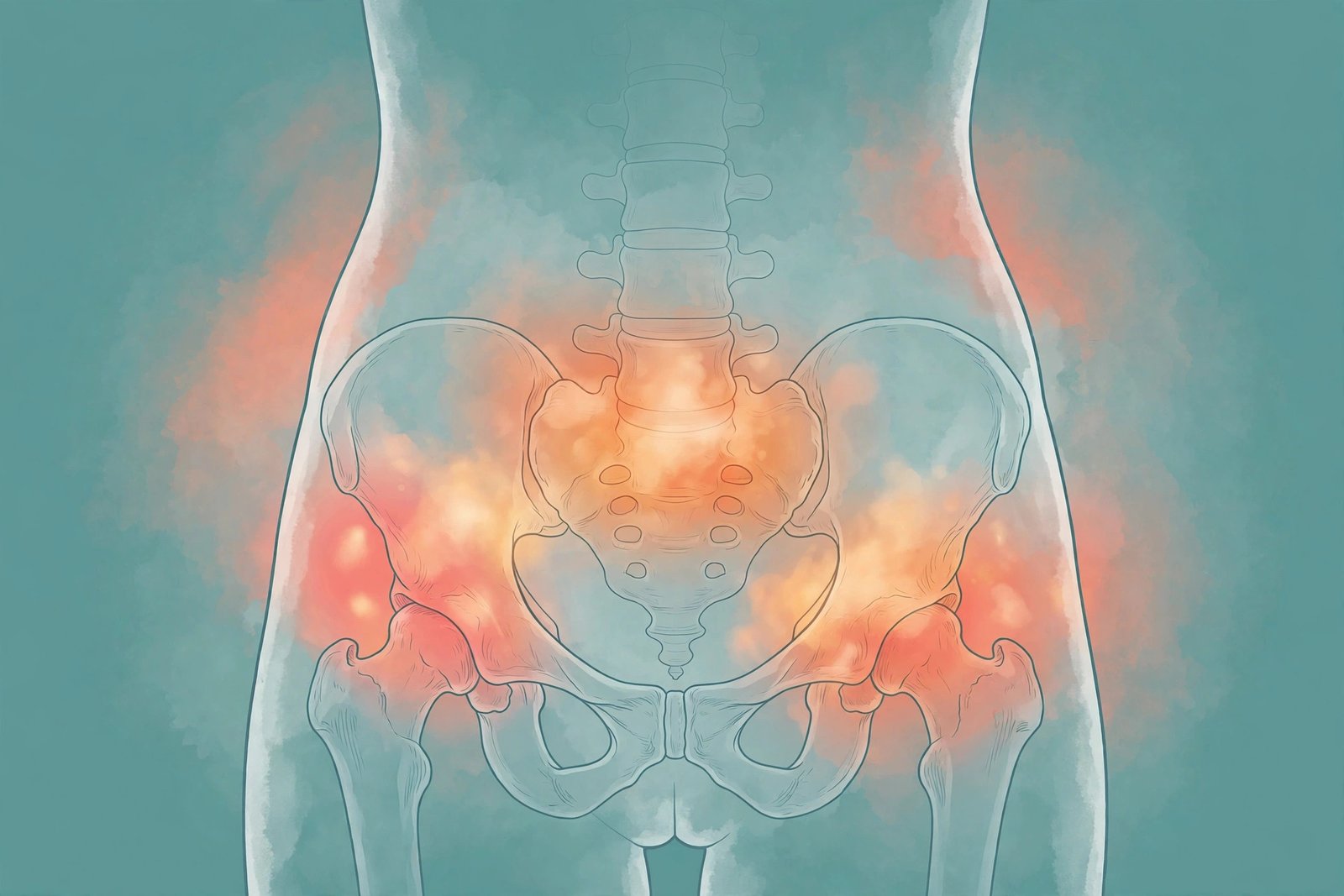
- Chronic pelvic or lower-back pain — aching that persists between periods, not just during them.
- Pain during or after sex (dyspareunia) — especially deep pain, often linked to implants behind the uterus or on ligaments.
- Heavy or irregular bleeding — very heavy periods or bleeding between periods.
- Bowel and bladder symptoms — painful bowel movements or urination, particularly during menstruation, plus bloating, constipation, or diarrhea that flares with the cycle.
- Infertility — endometriosis is found in a large share of women evaluated for difficulty conceiving, because inflammation and scarring can distort pelvic anatomy and affect egg quality.
- Fatigue — persistent tiredness that many patients report, likely tied to chronic inflammation and pain.
Tests & Diagnosis
Diagnosis begins with being believed: a detailed history of pain patterns, menstrual history, and family history is the foundation.
Pelvic examination. The doctor feels for tender nodules, masses, or areas of thickening behind the uterus. A normal exam does not exclude endometriosis, especially in mild disease.
Ultrasound. A transvaginal ultrasound is usually the first imaging test. It can reveal ovarian endometriomas and sometimes deep implants or adhesions, but it misses superficial lesions.
MRI. Magnetic resonance imaging gives a more detailed map of deep endometriosis — particularly useful when bowel or bladder involvement is suspected or before surgery is planned.
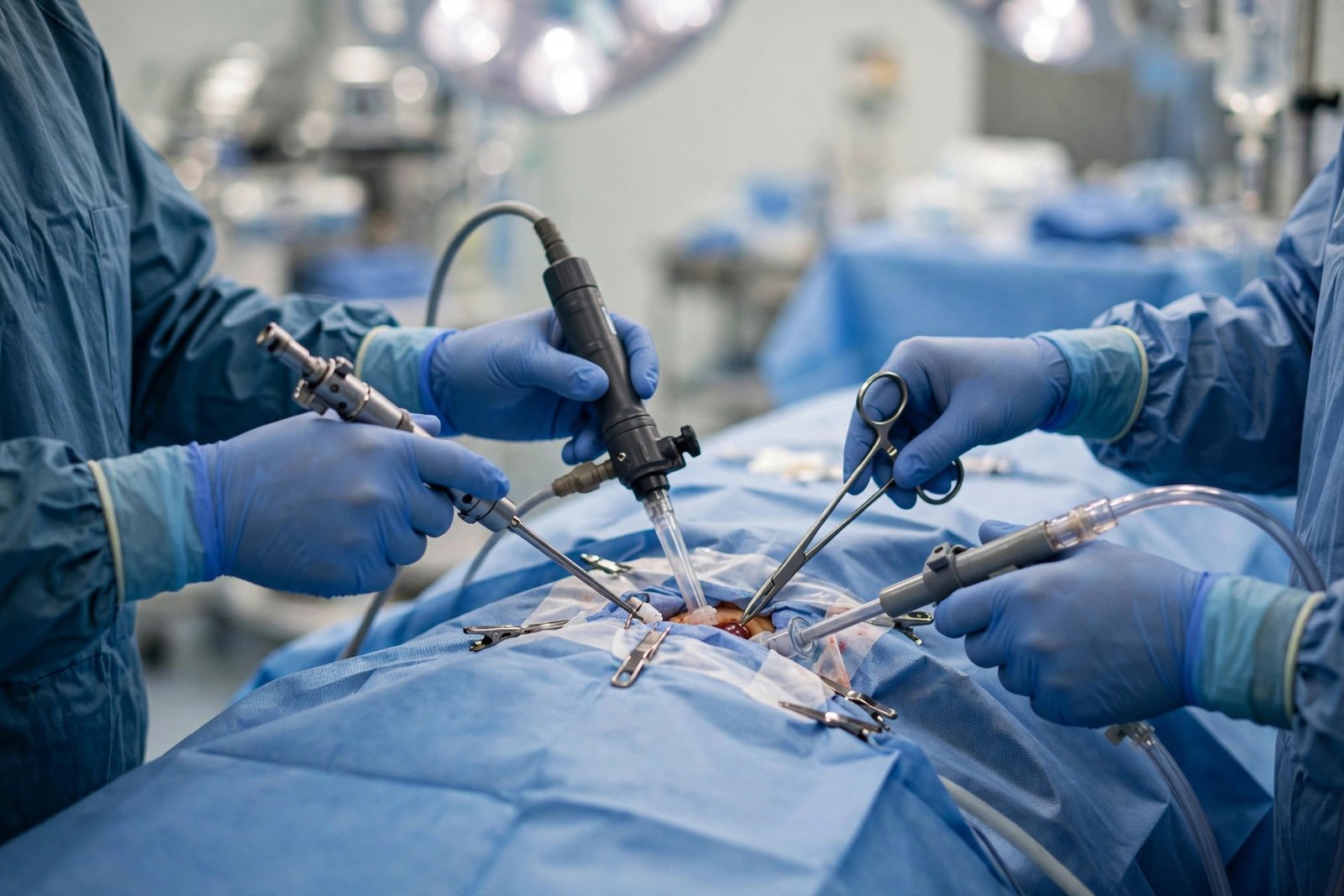
Laparoscopy. The definitive diagnosis comes from laparoscopy: a surgeon inserts a thin camera through a small abdominal incision, directly visualises the implants, and takes tissue samples for biopsy confirmation. Because it is both diagnostic and potentially therapeutic (lesions can be removed in the same procedure), it remains the gold standard. No blood test currently diagnoses endometriosis reliably.
Treatment Options
There is no permanent cure yet, but modern treatment can control pain, slow the disease, and preserve fertility. Options are chosen based on symptom severity, age, and whether pregnancy is planned.
Pain relief. Non-steroidal anti-inflammatory drugs (NSAIDs) such as ibuprofen are the usual first step for menstrual pain, most effective when started a day or two before the period begins.
Hormonal therapies. Because endometriosis feeds on estrogen, most medical treatments aim to lower estrogen exposure or stabilise hormones:
- Combined hormonal contraceptives (pill, patch, ring) — reduce or eliminate periods and often ease pain.
- Progestin-only options (mini-pill, hormonal IUD, implant, injections) — thin the endometrial-like tissue and frequently stop periods.
- GnRH agonists and antagonists — create a temporary low-estrogen state that shrinks implants; used for more severe cases, usually with add-back therapy to protect bones.
Surgery. Laparoscopic excision — carefully cutting out visible implants and scar tissue — can relieve pain and improve fertility, and is preferred over simply burning surface lesions when expertise is available. In severe cases unresponsive to other treatment, and when childbearing is complete, hysterectomy (sometimes with ovary removal) may be discussed — a major, irreversible decision made with a specialist.
Fertility treatment. Women with endometriosis-related infertility may be referred for assisted reproduction such as IVF, sometimes after surgical treatment.
Lifestyle Management & Prevention
Medical treatment works best alongside daily strategies that calm inflammation and pain:
- Heat and rest during flares. A heating pad on the lower abdomen relaxes pelvic muscles; planned rest during the worst days is sensible, not weakness.
- Regular exercise. Aerobic activity and gentle yoga release endorphins, reduce estrogen levels modestly, and improve pelvic blood flow. Many patients find consistent movement reduces pain over time.
- Anti-inflammatory eating patterns. While no diet cures endometriosis, many specialists suggest plenty of vegetables, fruit, whole grains, and omega-3-rich foods (like fatty fish), while limiting excess alcohol and highly processed foods.
- Stress management. Chronic pain and stress feed each other. Breathing exercises, mindfulness, counselling, and support groups help break the cycle.
- Pelvic physiotherapy. A specialised physiotherapist can treat the pelvic-floor muscle spasm that often accompanies chronic pelvic pain.
Endometriosis cannot be reliably prevented, but earlier evaluation of severe period pain — rather than years of normalising it — prevents the scarring and fertility damage that delayed diagnosis allows.
When to See a Doctor
If a doctor dismisses severe menstrual pain as normal without investigation, seek a second opinion — ideally from a gynaecologist experienced in endometriosis. Early diagnosis changes outcomes.
Key Takeaways
- Endometriosis is tissue similar to the uterine lining growing outside the uterus, causing inflammation, scarring, and pain.
- Hallmark symptoms: severe period pain, chronic pelvic pain, pain during sex, heavy bleeding, and infertility.
- Diagnosis is clinical plus imaging (ultrasound, MRI); laparoscopy with biopsy is the gold standard.
- Treatments include NSAIDs, hormonal therapies (contraceptives, progestins, GnRH agents), laparoscopic excision surgery, and fertility care.
- Pain levels do not mirror how far the disease has spread — mild symptoms do not exclude it, and severe pain always deserves investigation.
- Severe period pain is never “just normal” — early evaluation protects fertility and quality of life.
Reviewed by
Dr. Ata Ullah — MBBS, MD Medicine, Physician Consultant.
“Your Health, Our Responsibility.”
Medical disclaimer: This article is for informational purposes only and is not a substitute for professional medical advice, diagnosis, or treatment. Always seek the advice of your physician or another qualified health provider with any questions you may have regarding a medical condition.
Online Consultation: Dr. Ata Ullah (MBBS, MD Medicine), Physician Consultant / Medical Specialist — WhatsApp: 0315 7148181 — Consultation Fees: $30