
Medically reviewed by Dr. Ata Ullah, MD (Medicine), Physician Consultant.
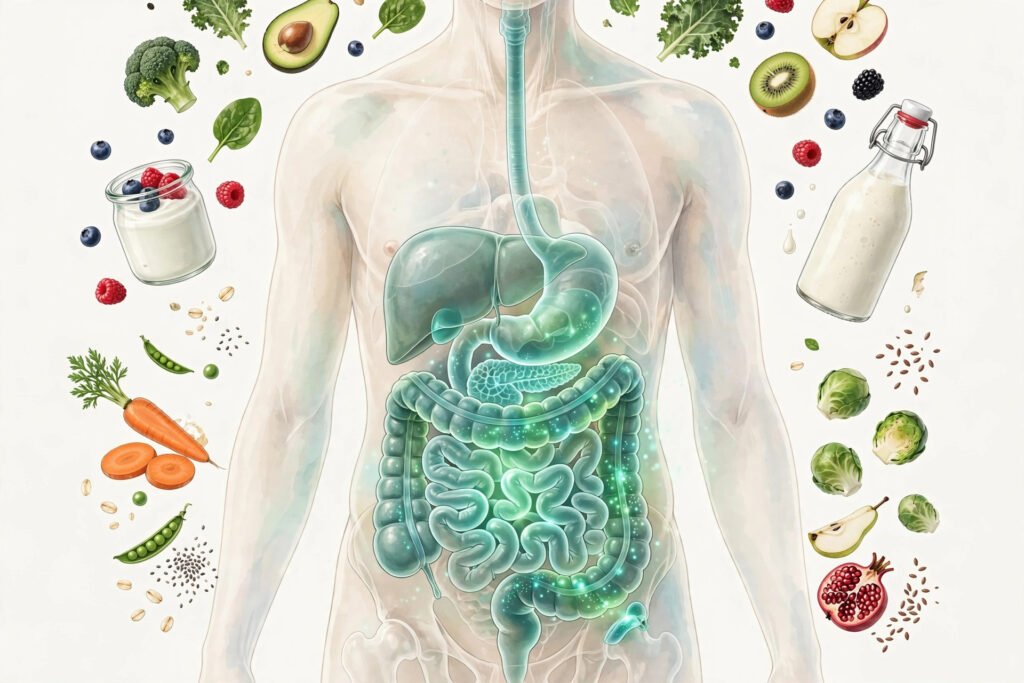
“Gut health” has become one of the most talked-about topics in wellness — and for good reason. Your digestive tract is home to trillions of microorganisms that help digest food, produce vitamins, train your immune system, and even communicate with your brain. When this inner ecosystem is balanced, digestion usually runs smoothly. When it is disrupted, the effects can reach far beyond the stomach.
Probiotics — live beneficial bacteria found in fermented foods and supplements — are often presented as the key to fixing gut problems. But what does the science actually say? This guide explains gut health, what probiotics can and cannot do, and how to genuinely support your digestive system.

Overview: What Is Gut Health?
Gut health refers to the balance and proper functioning of your gastrointestinal tract and its resident microbes, collectively called the gut microbiome. A healthy gut efficiently breaks down food, absorbs nutrients, maintains a strong intestinal barrier, and keeps harmful microbes in check. It also plays a major role in immunity — a large portion of the body’s immune tissue is associated with the gut.
Researchers are still learning exactly what defines an “ideal” microbiome, because it varies widely between healthy individuals. What is clear is that diversity — having many different types of beneficial microbes — is generally associated with better digestive and overall health.
Signs Your Gut Health May Be Off
An imbalanced gut does not always announce itself loudly, but common signs include:
- Frequent bloating, gas, or abdominal discomfort
- Irregular bowel habits — ongoing constipation, diarrhea, or alternating between the two
- Heartburn or acid reflux that keeps returning
- Undigested food sensitivities or new intolerances
- Unexplained fatigue or low energy
- Frequent minor infections, which may hint at weakened immune function
- Skin issues or mood changes that seem linked to digestive flare-ups
These symptoms are common and have many possible causes, so they point to a need for investigation rather than a self-diagnosis.
Causes and Risk Factors
- Low-fiber, highly processed diet: beneficial gut bacteria thrive on fiber from fruits, vegetables, legumes, and whole grains. Diets heavy in refined sugar and processed foods tend to reduce microbial diversity.
- Antibiotic use: antibiotics kill harmful bacteria but also wipe out beneficial ones. The microbiome usually recovers, but repeated courses can cause longer-lasting disruption.
- Chronic stress and poor sleep: both influence gut motility and the microbiome through the gut-brain connection.
- Certain medications: some acid-reducing drugs and anti-inflammatory painkillers can alter the gut environment with long-term use.
- Infections and illness: stomach infections can temporarily or sometimes persistently disturb the microbial balance.
- Underlying conditions: irritable bowel syndrome (IBS), inflammatory bowel disease, celiac disease, and food intolerances all involve gut dysfunction.
Tests and Diagnosis
There is no single standard test for “gut health.” Doctors diagnose based on symptoms, medical history, and targeted tests. Depending on the situation, a doctor may order stool tests (to check for infection, inflammation markers, or blood), blood tests (for celiac disease, nutrient deficiencies, or thyroid issues), a hydrogen breath test (for lactose intolerance or bacterial overgrowth), or endoscopy/colonoscopy if structural problems are suspected.
Commercial at-home microbiome test kits are widely marketed, but their clinical value is limited. They can describe which microbes are present, but doctors generally cannot yet translate those results into reliable, personalized treatments.
What Are Probiotics?
Probiotics are live microorganisms — mostly bacteria such as Lactobacillus and Bifidobacterium strains, plus the yeast Saccharomyces boulardii — that may benefit health when taken in adequate amounts. They come from two main sources:
- Fermented foods: yogurt, kefir, kimchi, sauerkraut, miso, tempeh, and kombucha naturally contain live cultures.
- Supplements: capsules, powders, or drinks delivering specific strains in measured doses.
What the evidence says
Research suggests probiotics may help in specific situations: certain strains can reduce the duration of antibiotic-associated diarrhea and some forms of infectious diarrhea, and there is modest evidence for symptom relief in some people with IBS. However, effects are highly strain-specific — a benefit shown for one strain does not apply to all probiotics — and results vary from person to person. For the general healthy population, evidence that probiotic supplements meaningfully improve everyday digestion is limited.
Prebiotics — the fibers that feed beneficial bacteria (found in garlic, onions, bananas, oats, and legumes) — have arguably stronger evidence for supporting a healthy microbiome than probiotic pills, because they nourish the microbes you already have.
Treatment and Management
- Eat more fiber, gradually: aim for a variety of plant foods — vegetables, fruits, legumes, whole grains, nuts, and seeds. Increase fiber slowly to avoid gas and bloating.
- Include fermented foods: a daily serving of yogurt, kefir, or another fermented food is a food-first way to introduce live cultures.
- Stay hydrated: water helps fiber do its job and keeps bowel movements regular.
- Manage stress and sleep: regular sleep and stress-reduction practices support healthy gut function.
- Use antibiotics responsibly: take them only when prescribed, and complete the course as directed.
- Consider probiotics selectively: if you try a supplement, choose one with clearly labeled strains and doses, give it a few weeks, and stop if there is no benefit. People with weakened immune systems should consult a doctor first, as live microbes carry a small infection risk for them.
Tip: Diversity beats quantity. Eating around 30 different plant foods per week — counting every vegetable, fruit, grain, legume, nut, seed, herb, and spice — is a practical target researchers associate with a more diverse microbiome.
When to see a doctor: Seek medical care for blood in the stool, black tarry stools, unexplained weight loss, persistent vomiting, severe abdominal pain, difficulty swallowing, or digestive symptoms that last more than a few weeks. These can signal conditions that need proper diagnosis, not just dietary tweaks.
Prevention
Long-term gut health rests on consistent habits: a fiber-rich varied diet, regular physical activity (which supports gut motility), adequate sleep, stress management, limited alcohol, and avoiding smoking. There is no need for harsh “gut cleanses” or detox products — your liver, kidneys, and intestines already handle that job.
Frequently Asked Questions
Should everyone take a daily probiotic?
Probably not. Healthy people eating a fiber-rich diet with fermented foods generally do not need one. Probiotics are most worth considering for specific issues, ideally with a doctor’s or dietitian’s guidance.
Can probiotics cure IBS or digestive disease?
No. They may ease symptoms for some people with IBS, but they do not cure IBS, Crohn’s disease, ulcerative colitis, or celiac disease. These conditions need proper medical management.
How long does it take for probiotics to work?
If a particular strain is going to help, effects usually appear within a few weeks. If nothing changes after a month of consistent use, that product is probably not right for you.
Are fermented foods better than probiotic pills?
For general gut health, fermented foods are a reasonable first choice — they provide live cultures plus nutrients and fiber, with no supplement risks. Pills make sense when a specific strain and dose are needed.
Can probiotics cause side effects?
Mild gas or bloating is possible when starting. Serious side effects are rare in healthy people, but those with weakened immune systems or serious illness should consult a doctor before use.
Key Takeaways
- Gut health means a balanced, diverse microbiome and a well-functioning digestive tract — it affects immunity, energy, and more.
- Common disruptors include low-fiber diets, antibiotics, chronic stress, poor sleep, and underlying digestive conditions.
- Probiotics may help specific problems like antibiotic-associated diarrhea, but evidence for general everyday use is limited and strain-specific.
- The strongest everyday strategy is food-first: varied fiber-rich plants, fermented foods, hydration, sleep, and stress management.
- See a doctor for warning signs like blood in stool, unexplained weight loss, or symptoms lasting more than a few weeks.
Disclaimer: This article is for informational purposes only and is not a substitute for professional medical advice, diagnosis, or treatment. Please consult a qualified doctor for personal health concerns.