
Medically reviewed by Dr. Ata Ullah, MD (Medicine), Physician Consultant.
Anxiety is one of the most common human experiences — a racing heart before an exam, worry before a big decision, restlessness during uncertain times. Occasional anxiety is normal and even useful. But when worry becomes persistent, hard to control, and starts interfering with sleep, work, or relationships, it deserves attention and care.
Reducing anxiety isn’t about eliminating all stress from life — it’s about building skills that calm your body and mind so anxiety stops running the show. This guide covers evidence-based strategies, practical daily techniques, and clear guidance on when professional help is the right step.

Why Anxiety Happens and Why It Matters
Anxiety is your body’s alarm system. When the brain perceives a threat — real or imagined — it triggers the “fight or flight” response: adrenaline rises, the heart beats faster, muscles tense, and attention narrows. This response is lifesaving in genuine danger, but modern life triggers it constantly through deadlines, financial pressure, health worries, and endless news.
Chronic, unmanaged anxiety takes a toll: poor sleep, digestive problems, muscle tension, headaches, difficulty concentrating, and strained relationships. It can also evolve into anxiety disorders, depression, or unhealthy coping such as alcohol misuse. The earlier you build healthy coping tools, the better.
Evidence-Based Strategies
1. Cognitive Behavioral Techniques
Cognitive behavioral therapy (CBT) is among the most researched and effective approaches for anxiety. Its core skill is learning to notice, question, and reframe anxious thoughts. A common exercise: write down the worry, list the evidence for and against it, and generate a more balanced alternative. Over time, this weakens the habit of catastrophic thinking.
2. Regular Physical Exercise
Aerobic exercise — brisk walking, cycling, swimming — is consistently linked with lower anxiety levels. Movement burns off stress hormones, releases calming brain chemicals, and improves sleep. Even 20–30 minutes most days can make a noticeable difference.
3. Breathing and Relaxation Practices
Slow, controlled breathing directly calms the nervous system. Techniques such as diaphragmatic breathing (slow belly breaths), the 4-7-8 pattern, or progressive muscle relaxation (tensing then releasing each muscle group) can reduce acute anxiety within minutes and build resilience with practice.
4. Mindfulness and Meditation
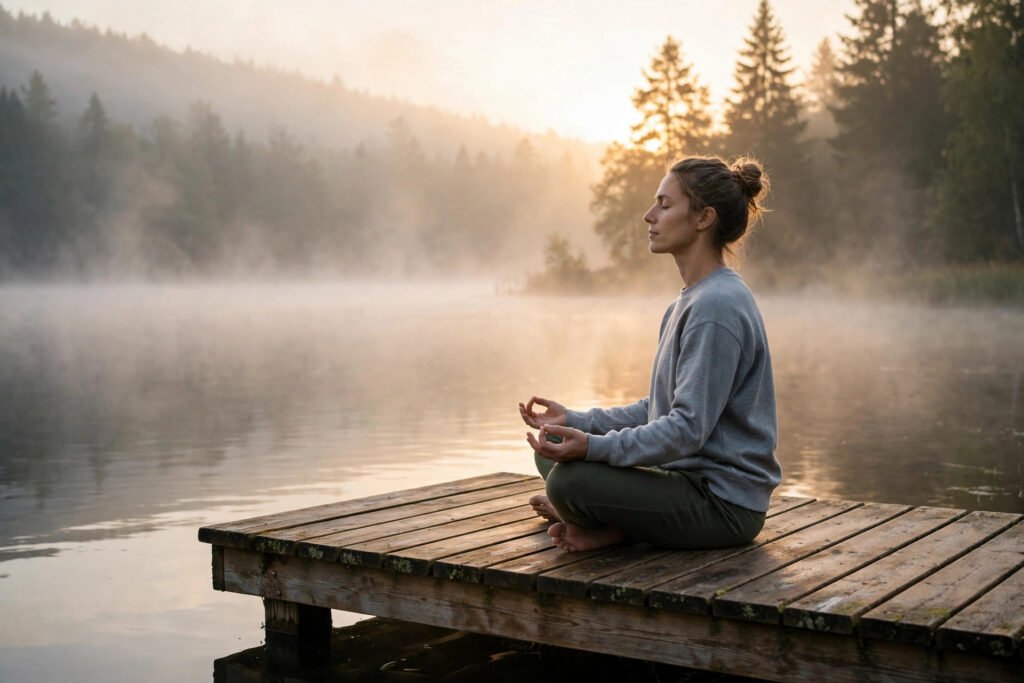
Mindfulness trains you to observe anxious thoughts without being swept away by them. Research suggests regular mindfulness practice can reduce anxiety symptoms. Even 10 minutes daily — focusing on breath or body sensations — is a reasonable starting point.
5. Sleep Hygiene
Poor sleep and anxiety feed each other. Protecting sleep — consistent schedule, morning light, limited late caffeine and screens — often reduces daytime anxiety significantly.
Practical Step-by-Step Techniques for Anxious Moments
- The 5-4-3-2-1 grounding exercise: name 5 things you see, 4 you can touch, 3 you hear, 2 you smell, 1 you taste. This pulls attention out of worry and into the present.
- Box breathing: inhale for 4 counts, hold for 4, exhale for 4, hold for 4. Repeat for a few minutes.
- Worry scheduling: give worry a 15-minute appointment each day. Outside that window, note worries down and postpone them.
- Challenge the thought: ask “What would I tell a friend with this worry?” and “What is the most realistic — not worst-case — outcome?”
- Move your body: a brisk 10-minute walk can break an anxiety spiral faster than reasoning with it.
- Limit the fuel: cut back on caffeine, alcohol, and doom-scrolling during anxious periods — all three amplify symptoms.
What to Avoid
- Avoiding everything that makes you anxious: total avoidance shrinks your life and strengthens anxiety long-term. Gradual, manageable exposure is the healthier path.
- Reassurance-seeking spirals: repeatedly asking others for reassurance provides momentary relief but keeps anxiety alive.
- Alcohol or sedatives as coping: they may calm you briefly but worsen anxiety as they wear off and create dependence risks.
- Bottling it up: suppressing emotions tends to intensify them. Talking to a trusted person or writing thoughts down helps.
- Expecting perfection: the goal is manageable anxiety, not zero anxiety. Some nervousness before meaningful events is healthy.
When to Seek Professional Help
Seek professional help if:
- Anxiety is persistent, hard to control, and interferes with work, study, or relationships
- You experience panic attacks — sudden intense fear with racing heart, shortness of breath, or dizziness
- You avoid important activities, places, or people because of anxiety
- Anxiety comes with depression, hopelessness, or thoughts of harming yourself — contact your local emergency number or crisis helpline immediately
- You rely on alcohol, sedatives, or other substances to cope
- Physical symptoms (chest pain, palpitations) need medical evaluation to rule out heart or thyroid causes
Effective professional treatments exist — including CBT, other forms of therapy, and medications prescribed by a doctor. Seeking help is a sign of strength, not failure.
Frequently Asked Questions
Can anxiety be cured completely?
Anxiety as an emotion can’t — and shouldn’t — be eliminated; it’s part of being human. But anxiety disorders are highly treatable, and many people learn to manage symptoms so well that anxiety no longer controls their lives.
How quickly do anxiety techniques work?
Breathing and grounding exercises can calm acute anxiety within minutes. Deeper changes from therapy, exercise, and habit shifts typically build over weeks to months of consistent practice.
Is medication necessary for anxiety?
Not always. Many people improve with therapy and lifestyle changes alone. For moderate to severe anxiety, doctors may recommend medication alongside therapy. This is a personal decision to make with a qualified doctor.
What’s the difference between stress and anxiety?
Stress is usually a response to an external pressure and fades when the pressure passes. Anxiety can persist without a clear trigger and involves ongoing worry and physical arousal. The coping strategies overlap considerably.
Key Takeaways
- Anxiety is a normal alarm system — problems start when it fires constantly and disrupts your life.
- CBT skills, regular exercise, breathing techniques, mindfulness, and good sleep are the best-evidenced tools.
- For acute moments: grounding exercises, slow breathing, and a short walk work fast.
- Avoid total avoidance, alcohol coping, and reassurance spirals — they feed anxiety long-term.
- Persistent, uncontrollable anxiety deserves professional help; effective treatments exist and seeking them is strength.
Disclaimer: This article is for informational purposes only and is not a substitute for professional medical advice, diagnosis, or treatment. Please consult a qualified doctor for personal health concerns.