

How to Stop Snoring: Causes, Remedies and Treatments That Work
Medically reviewed by Dr. Ata Ullah, MD (Medicine)
Snoring disrupts the sleep of the snorer and everyone within earshot, and it is far more than a nighttime annoyance: in some cases it signals a serious sleep disorder. This guide explains in plain language what snoring is, why the throat produces that rattling sound, the most effective home remedies and lifestyle changes for quieter nights, and the medical treatments available when simple measures fall short. You will also learn how to recognize when snoring points to sleep apnea and needs professional evaluation.

What Is Snoring?
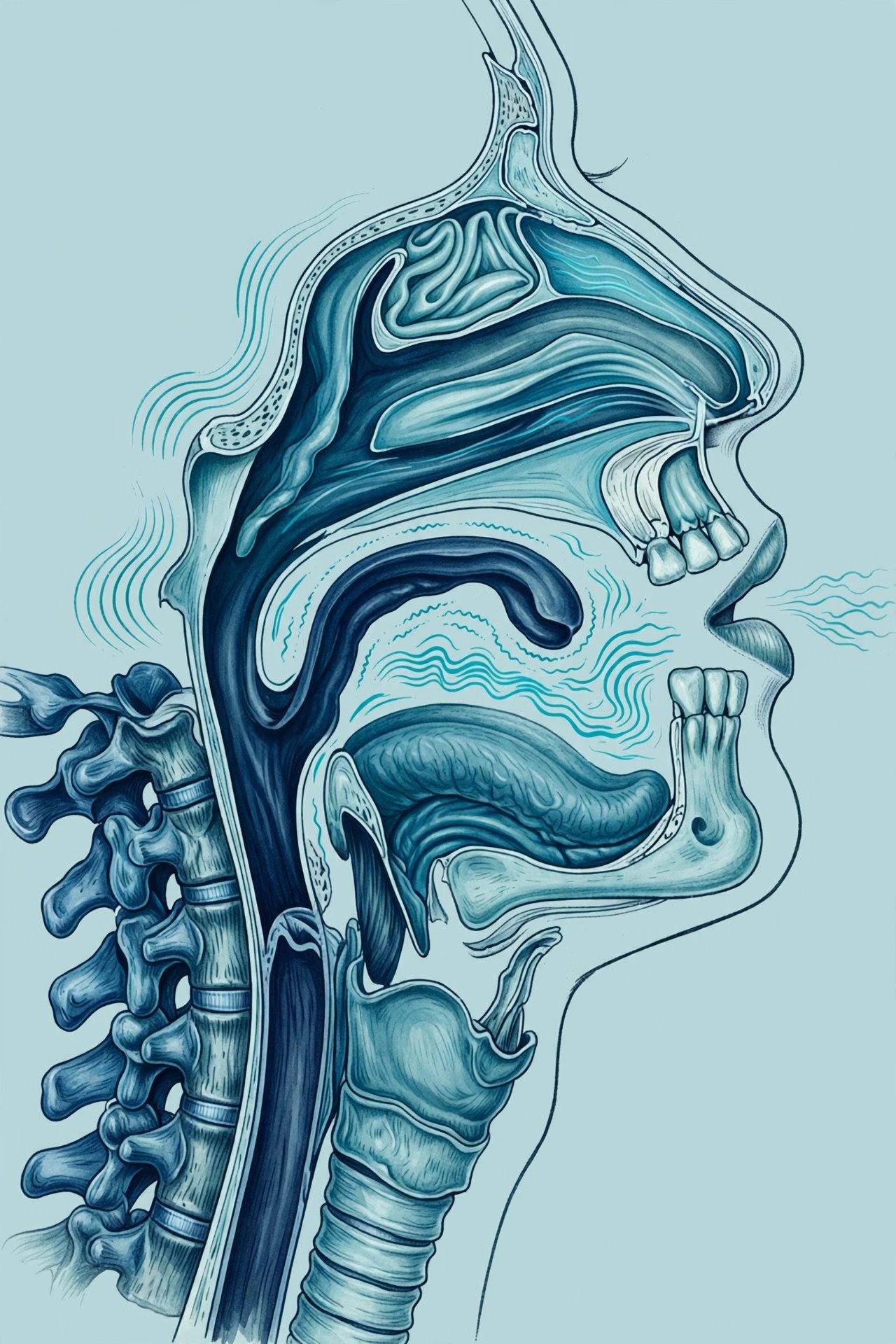
Snoring is the hoarse, rattling sound produced when airflow through the mouth and nose is partly blocked during sleep. As the muscles of the throat relax in sleep, the surrounding tissues, the soft palate, uvula, tongue, and throat walls, can narrow the airway. Incoming air then makes these relaxed tissues vibrate, and that vibration is the sound of snoring. The narrower the airway becomes, the stronger the vibration and the louder the snore.
Almost everyone snores occasionally, after a heavy meal, with a cold, or after alcohol, and occasional snoring is usually harmless. Habitual snoring, loud snoring most nights, is a different matter. It fragments sleep, leaves the snorer tired during the day, strains relationships, and in a meaningful share of cases is tied to obstructive sleep apnea, a condition in which breathing repeatedly pauses through the night.
Causes & Risk Factors
Snoring happens when something narrows the upper airway or relaxes its muscles excessively. The most common contributors include:
- Mouth and throat anatomy. A thick or long soft palate, an elongated uvula, a large tongue, or enlarged tonsils narrow the airway and increase vibration.
- Nasal problems. A deviated septum, nasal polyps, or chronic congestion from colds and allergies force mouth breathing, which worsens snoring.
- Sleep position. Sleeping on the back lets the tongue and soft palate fall backward, narrowing the airway. This is the single most common positional trigger.
- Alcohol and sedatives. These relax throat muscles more than usual, and drinking close to bedtime reliably makes snoring louder.
- Excess weight. Extra tissue around the neck and throat compresses the airway, which is why weight gain often brings new or louder snoring.
- Age and muscle tone. Throat muscles naturally lose tone with age, making snoring more common in middle age and beyond.
- Sleep deprivation. Overtired muscles relax more deeply, so poor sleep itself can worsen the next night’s snoring.
Men snore more often than women, and the likelihood rises with age, weight gain, smoking, and regular alcohol use. A family history of snoring or sleep apnea also increases the odds. Children who snore regularly should be evaluated, since enlarged tonsils or adenoids are often the cause and are treatable.
Symptoms
Snoring itself is the main symptom, but its effects ripple through the day. Common signs that snoring is more than a nuisance include:
- Loud, habitual snoring that disturbs others in the household
- Witnessed pauses in breathing during sleep, often followed by gasping or choking
- Daytime sleepiness despite seemingly adequate hours in bed
- Morning headaches and a dry mouth or sore throat on waking
- Difficulty concentrating, irritability, and low mood from fragmented sleep
- Restless sleep with frequent tossing, turning, or nighttime urination
A partner’s observations are diagnostically valuable. If a bed partner reports that breathing stops and restarts, that the snoring is punctuated by silence and gasps, or that the snorer seems to struggle for air, these are classic features of sleep apnea rather than simple snoring, and they change what should happen next.
Tests & Diagnosis
Evaluation starts with a detailed history: how often and how loudly the person snores, sleep and wake times, daytime tiredness, alcohol and medicine use, weight history, and nasal symptoms. The doctor examines the nose, mouth, throat, and neck, looking for anatomical narrowing, and checks blood pressure and body weight.
When sleep apnea is suspected, the key test is a sleep study (polysomnography). In an overnight laboratory study, sensors record brain waves, breathing effort, airflow, blood oxygen, heart rhythm, and body position through the night. It reveals how many times per hour breathing pauses or becomes shallow, the depth of oxygen dips, and how fragmented sleep becomes. A simplified home sleep apnea test can be used in selected patients, measuring airflow, breathing effort, and oxygen with a portable device worn in the person’s own bed.
Additional assessments may include questionnaires about daytime sleepiness, blood tests to check for conditions that worsen fatigue such as thyroid disorders, and referral to an ear, nose, and throat specialist when nasal or throat anatomy appears to be the main problem. The sleep study result determines whether the diagnosis is simple snoring or sleep apnea, and how severe the apnea is, which in turn guides treatment.
Treatment Options
Treatment is matched to the cause and severity, starting with the simplest measures and stepping up only as needed.
Lifestyle and home remedies that work:
- Change sleep position. Sleeping on the side instead of the back often reduces snoring dramatically. Body pillows, positional sleep trainers, or the classic tennis-ball trick, a ball fastened to the back of sleepwear to discourage rolling supine, can keep a back-sleeper on their side.
- Maintain a healthy weight. Even modest weight loss can shrink neck tissue and quiet snoring in people whose snoring began with weight gain.
- Avoid alcohol and sedatives before bed. Cutting off alcohol several hours before sleep prevents the extra throat relaxation that amplifies snoring.
- Treat nasal congestion. Saline rinses, nasal strips that hold the nostrils open, and appropriate allergy treatment improve nasal airflow and reduce mouth breathing.
- Keep a regular sleep schedule. Adequate, consistent sleep prevents the overtired muscle relaxation that worsens snoring.
- Elevate the head of the bed slightly, which can ease airway narrowing for some snorers.
- Stay hydrated and avoid smoking, since dehydration thickens airway secretions and smoke inflames the tissues.
Medical and device-based treatments are used when snoring is loud and persistent or when sleep apnea is diagnosed:
- Oral appliances. Custom-fitted dental devices worn at night hold the jaw forward or keep the tongue in place, opening the airway. They suit mild to moderate cases.
- CPAP (continuous positive airway pressure). The gold-standard treatment for moderate to severe sleep apnea: a quiet machine delivers gentle air pressure through a mask, splinting the airway open all night and eliminating both apnea and snoring.
- Surgery. Procedures to remove excess throat tissue, correct a deviated septum, shrink nasal turbinates, or reposition the jaw are reserved for clear anatomical problems or when other treatments fail.
Throat exercises can help. Regular oropharyngeal exercises, sometimes called myofunctional therapy, that strengthen the tongue, soft palate, and throat muscles have been shown to reduce snoring frequency and intensity for some people, and they cost nothing to try.

Lifestyle Management & Prevention
Long-term quiet nights are built on habits rather than gadgets. Keeping weight in a healthy range is the most powerful preventive step for snoring tied to excess tissue. A consistent bedtime, a cool dark bedroom, and enough hours of sleep prevent the exhaustion that deepens throat relaxation.
Managing nasal health year-round matters: treating seasonal allergies before they peak, using saline irrigation during colds, and addressing chronic congestion with a doctor keep the nasal passage open so the mouth stays closed at night. Limiting evening alcohol, quitting smoking, and reviewing sedating medicines with the doctor all protect airway muscle tone.
For couples, practical steps help while treatment takes effect: the snorer addressing the cause rather than just the symptom, agreed sleep arrangements on difficult nights, and the partner using earplugs or white noise as a bridge, not a permanent substitute for evaluation when apnea signs are present.
When to See a Doctor
Book a medical evaluation if snoring includes any of these:
- Breathing pauses witnessed during sleep, or waking with gasping or choking
- Excessive daytime sleepiness, including drowsiness while driving or working
- Morning headaches, or waking with a very dry mouth regularly
- High blood pressure that is difficult to control, which is linked with untreated sleep apnea
- Loud snoring that does not improve after several weeks of lifestyle changes
- A child who snores regularly, breathes through the mouth, or seems inattentive and tired during the day
- Chest pain at night, or falling asleep at inappropriate times
Untreated obstructive sleep apnea raises the risk of high blood pressure, heart disease, stroke, and type 2 diabetes over time, so apnea-type snoring is not something to simply tolerate.
Key Takeaways
- Snoring is the sound of relaxed throat tissues vibrating as air passes through a narrowed airway during sleep.
- Common causes include back sleeping, nasal congestion, alcohol before bed, excess weight, and throat anatomy.
- Side sleeping, weight management, avoiding evening alcohol, and treating nasal congestion resolve many cases.
- Loud habitual snoring with breathing pauses, gasping, or daytime sleepiness suggests sleep apnea and needs a sleep study.
- CPAP is the gold-standard treatment for moderate to severe sleep apnea; oral appliances and surgery suit selected cases.
- Untreated sleep apnea is linked with serious long-term health risks, so red-flag snoring deserves prompt evaluation.
About the Reviewer
Dr. Ata Ullah — MBBS, MD Medicine, Physician Consultant. Dr. Ata Ullah is a Senior Medical Officer and Medical Specialist with extensive experience in internal medicine, including the evaluation of sleep-disordered breathing and its links to cardiovascular health.
“Your Health, Our Responsibility.”
Medical Disclaimer: This article is for informational purposes only and is not a substitute for professional medical advice, diagnosis, or treatment. Always seek the advice of your physician or another qualified health provider with any questions you may have regarding a medical condition.
Online Consultation: Dr. Ata Ullah (MBBS, MD Medicine), Physician Consultant / Medical Specialist — WhatsApp: 0315 7148181 — Consultation Fees: $30