

Medically reviewed by Dr. Ata Ullah, MD (Medicine), Physician Consultant and Medical Specialist.
Do you toss and turn at night, stare at the ceiling, and wake up feeling like you never really slept? You are not alone — poor sleep is one of the most common health complaints worldwide. The good news is that small, consistent changes to your daily habits can dramatically improve how well you sleep. Here are 10 proven, doctor-reviewed tips to help you fall asleep faster and wake up refreshed.
Why Good Sleep Matters
Sleep is not just rest — it is when your body repairs itself. During deep sleep, your brain consolidates memories, your immune system strengthens, and your heart and blood vessels recover from the day. Most adults need 7 to 9 hours of quality sleep per night, yet millions regularly get far less. Chronic poor sleep is linked to weakened immunity, weight gain, high blood pressure, diabetes, anxiety, and difficulty concentrating. Improving your sleep is one of the highest-impact investments you can make in your health.
1. Keep a Consistent Sleep Schedule
Go to bed and wake up at the same time every day — including weekends. Your body runs on an internal clock called the circadian rhythm, and irregular sleep times confuse it. Consistency trains your brain to feel sleepy and alert at the right times, making it easier to fall asleep naturally.
2. Build a Relaxing Bedtime Routine
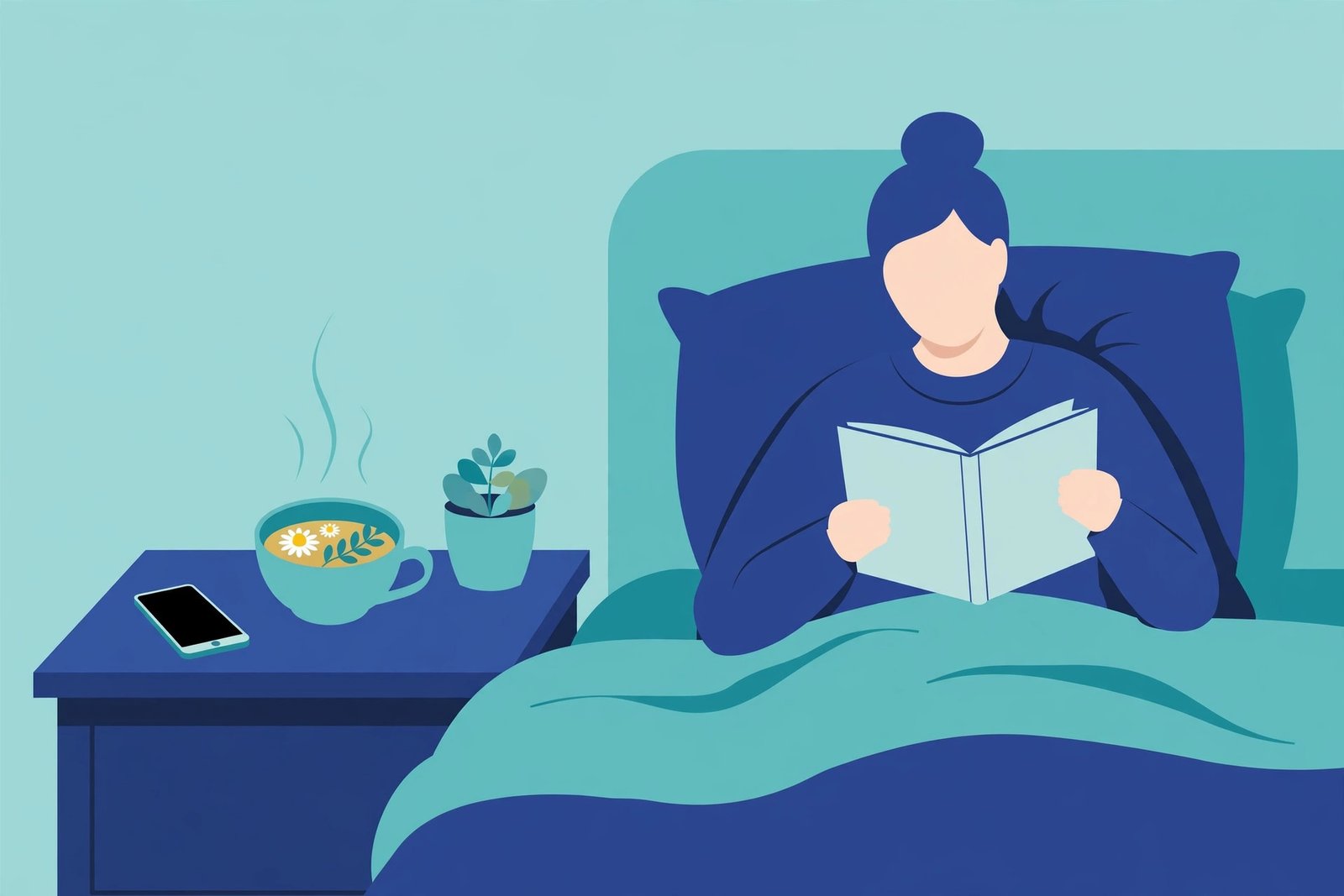
Spend the last 30 to 60 minutes before bed winding down. Take a warm shower, read a physical book, stretch gently, or practice slow breathing. A predictable routine signals to your brain that sleep is coming — much like a child settles down with a bedtime story.
3. Put Screens Away Before Bed
Phones, tablets, and laptops emit blue light that suppresses melatonin, the hormone that makes you sleepy. They also keep your mind alert with endless scrolling. Switch off screens at least 30 to 60 minutes before bed. If you must use a device, enable night mode and keep brightness low.
4. Make Your Bedroom Sleep-Friendly
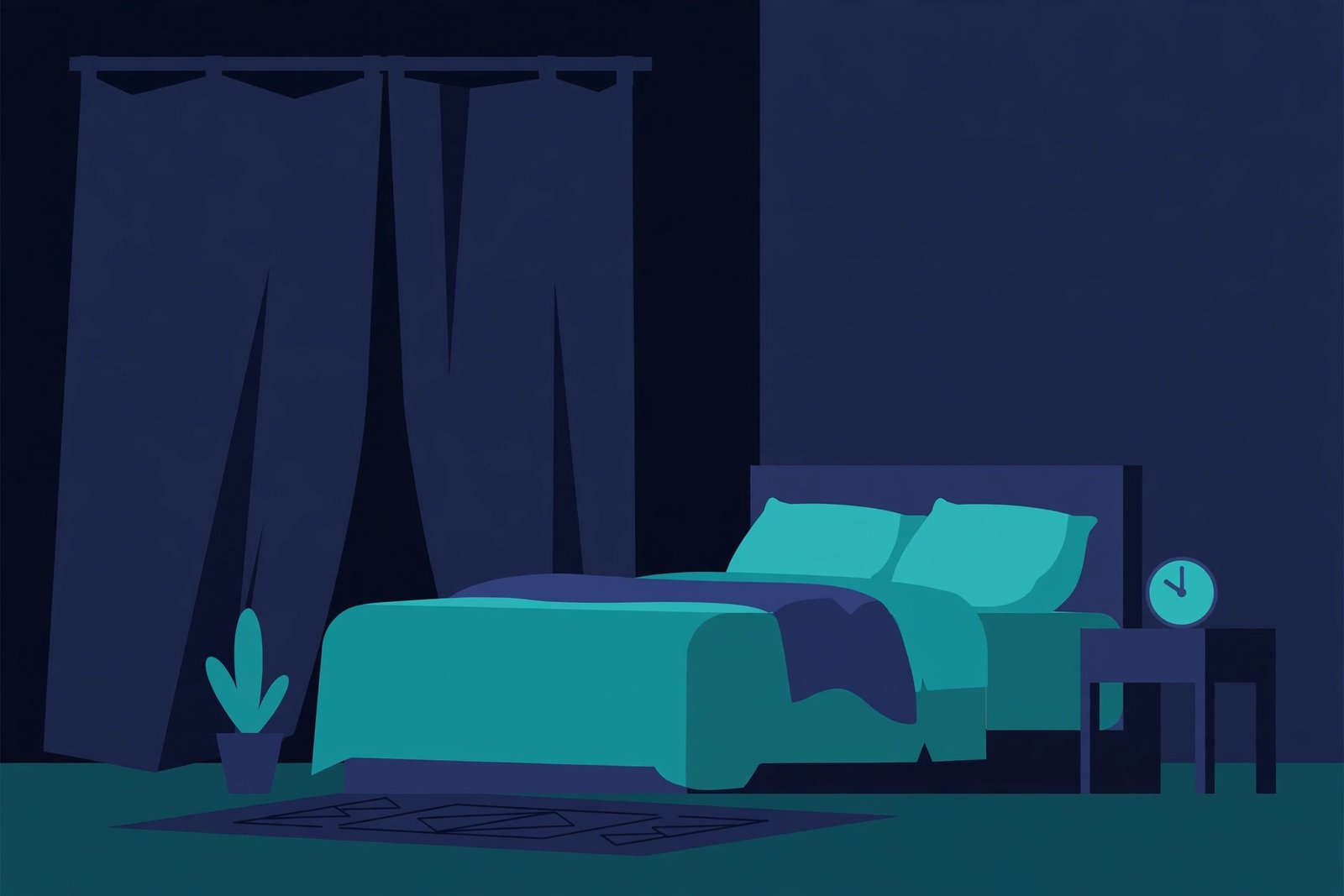
Your bedroom should be cool, dark, and quiet. Aim for a temperature around 18 to 20°C (65 to 68°F). Use blackout curtains or a sleep mask to block light, and earplugs or white noise if your surroundings are noisy. Reserve your bed for sleep — working or watching TV in bed weakens the mental association between bed and sleep.
5. Be Smart About Caffeine and Alcohol
Caffeine stays in your system for 6 to 8 hours, so avoid coffee, strong tea, energy drinks, and even chocolate in the afternoon and evening. Alcohol may make you drowsy at first, but it fragments sleep later in the night and reduces deep, restorative sleep. If you drink, keep it moderate and finish several hours before bed.
6. Get Natural Daylight During the Day
Exposure to natural light — especially in the morning — is one of the strongest regulators of your sleep-wake cycle. Spend at least 20 to 30 minutes outdoors or near a bright window each day. If you work indoors, take your breaks outside when possible.
7. Exercise Regularly — But Not Too Late
Regular physical activity improves sleep quality and helps you fall asleep faster. Aim for at least 30 minutes of moderate exercise most days. Just avoid intense workouts within 2 to 3 hours of bedtime, as they can raise your body temperature and alertness and delay sleep.
8. Calm a Busy Mind
Racing thoughts are a top cause of sleeplessness. Try writing tomorrow’s to-do list before bed so your mind can let go of it. Slow breathing exercises, progressive muscle relaxation, or a short meditation can quiet mental chatter. If worries persist night after night, talking to a counselor or therapist can help.
9. Avoid Heavy Late-Night Meals
Eating a large, rich, or spicy meal close to bedtime can cause discomfort and acid reflux that keep you awake. Finish dinner at least 2 to 3 hours before bed. If you feel hungry later, choose a light snack such as a banana, a small bowl of oatmeal, or warm milk.
10. Know When to See a Doctor
Occasional restless nights are normal, but see a doctor if you experience loud snoring with gasping, trouble falling or staying asleep at least 3 nights a week for 3 months, excessive daytime sleepiness that affects your work or driving, or restless legs at night. These can be signs of treatable conditions such as sleep apnea or chronic insomnia.
The Bottom Line
Better sleep rarely comes from one big change — it comes from small, consistent habits: a regular schedule, a calm bedtime routine, a dark cool bedroom, and smart choices about caffeine, screens, and stress. Start with two or three tips from this list tonight, and build from there. Your body will thank you every morning.
Medical Disclaimer
Medical Disclaimer: This article is for educational purposes only and is not medical advice. If you have persistent sleep problems, please consult your doctor or a sleep specialist.