

Medically reviewed by Dr. Ata Ullah, MD (Medicine), Physician Consultant.
Intermittent fasting is an eating pattern that cycles between periods of eating and periods of not eating. The 16:8 method — fasting for 16 hours and eating within an 8-hour window each day — has become one of the most popular versions worldwide because it is relatively simple to follow.
Unlike most diets, intermittent fasting does not tell you what to eat. It tells you when to eat. That simplicity is its main appeal — and also the source of most misunderstandings about it. This guide explains how the 8-hour eating window works, what evidence suggests about its benefits, who should avoid it, and how to practise it safely.
A typical 16:8 day might look like this: finish dinner by 8 pm, skip breakfast, and eat lunch and dinner between 12 pm and 8 pm the next day. Sleep covers most of the fasting hours, which is why many people find it easier than it sounds.
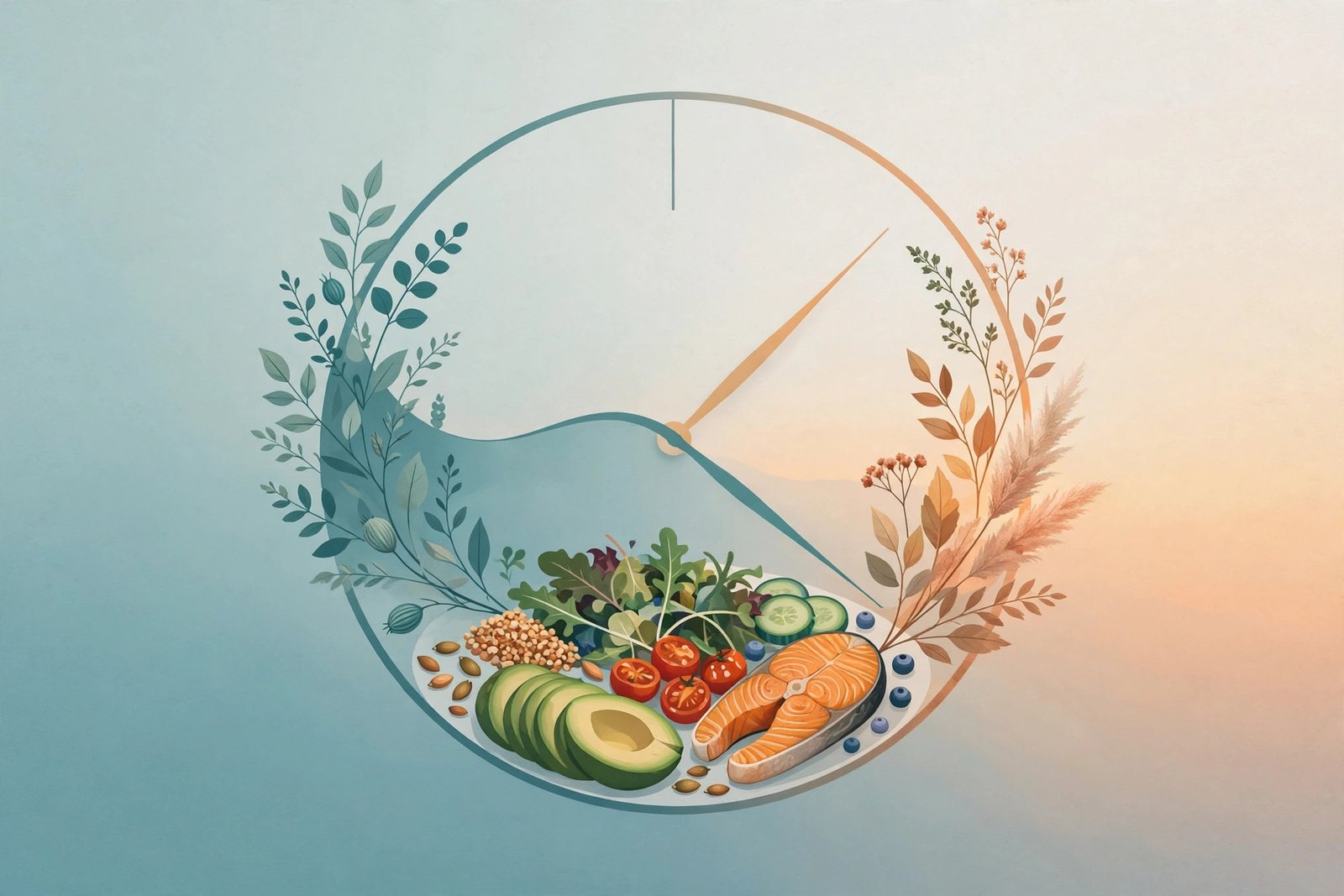
How It Works
When you eat, the body uses glucose from food as its main fuel and stores the excess. After several hours without food, glucose stores run low and the body shifts toward burning stored fat for energy. This metabolic switch is the central idea behind fasting-based approaches.
Several mechanisms are thought to contribute to its effects:
1. A shorter eating window often means fewer calories
With only 8 hours available to eat, most people naturally consume less — fewer snacks, fewer late-night meals — creating the calorie deficit that drives weight loss.
2. Insulin levels fall during fasting
Insulin, the hormone that stores energy, drops when you are not eating. Lower insulin levels make it easier for the body to access stored fat.
3. Cellular repair processes activate
During extended periods without food, the body increases cellular cleanup processes (autophagy), where damaged cell components are broken down and recycled. Research suggests this may support cellular health, though most evidence comes from animal studies.
Evidence-Based Benefits
Research on time-restricted eating is growing but still young. Studies suggest the following potential benefits, with the caveat that much of the effect may come simply from eating less overall:
- Weight loss: Trials of time-restricted eating report modest weight loss, comparable to standard calorie-restriction approaches in many studies.
- Improved blood sugar and insulin sensitivity: Some studies show better fasting glucose and insulin responses, particularly when the eating window ends earlier in the evening.
- Heart health markers: Research suggests possible improvements in blood pressure, cholesterol, and triglycerides, though findings vary.
- Simplicity and adherence: Because the rule is about timing rather than food choices, many people find it easier to stick with than strict diets.
- Reduced late-night eating: Closing the kitchen earlier in the evening cuts out a common source of excess calories and may improve sleep.
Risks and Who Should Avoid It
Intermittent fasting is not safe or appropriate for everyone:
- People with diabetes on medication — fasting can cause dangerous low blood sugar; any fasting plan needs a doctor’s supervision and medication adjustment.
- Pregnant or breastfeeding women — nutritional needs are higher and fasting is not recommended.
- People with a history of eating disorders — structured food restriction can trigger relapse.
- Children and teenagers — growing bodies need regular nourishment.
- People with certain medical conditions — including gastro-oesophageal reflux, some kidney conditions, and those prone to migraines triggered by missed meals.
Common side effects in the first week or two include hunger, irritability, headaches, and reduced concentration. These usually fade as the body adapts, but persistent symptoms are a sign to stop and reassess.
Safe Practical Steps
Starting 16:8 safely:
- Ease in: start with a 12-hour overnight fast (e.g. 8 pm to 8 am), then extend the window by an hour every few days.
- Choose your window: most people pick 12 pm–8 pm or 11 am–7 pm. Align it with your sleep schedule and work routine.
- Eat properly in the window: fasting is not an excuse to eat junk. Prioritise protein, vegetables, whole grains, and healthy fats.
- Stay hydrated: water, unsweetened tea, and black coffee are fine during fasting hours.
- Keep moving: light exercise is fine while fasting; save intense workouts for eating hours or fuelled sessions.
- Break the fast gently: a balanced meal — not a feast — avoids stomach discomfort and energy crashes.
When to Talk to a Doctor
Consult a doctor before starting if you have diabetes, take any regular medication, have a thyroid condition, experience frequent dizziness or fainting, or have any history of disordered eating. Stop fasting and seek advice if you develop persistent nausea, severe headaches, heart palpitations, or feel unwell in any way that does not resolve within a few days.
Frequently Asked Questions
Can I drink coffee while fasting?
Black coffee and unsweetened tea are generally considered acceptable during fasting hours. Avoid milk, sugar, and sweetened drinks, which break the fast.
Should women fast differently?
Some women report that long fasting windows disrupt their menstrual cycle or energy levels. Starting with shorter fasts (12–14 hours) and monitoring how you feel is a sensible approach.
Will I lose muscle?
Modest fasting combined with adequate protein and resistance exercise appears to preserve muscle reasonably well, but very long fasts or poor nutrition increase muscle-loss risk.
Is it okay to fast every day?
Many people practise 16:8 daily without issues, but some prefer 5–6 days a week. Listen to your body — flexibility is fine.
Key Takeaways
- The 16:8 method means fasting 16 hours and eating within an 8-hour window each day.
- It works mainly by helping you eat less overall, with possible added benefits for blood sugar and metabolic health.
- It is not suitable for people with diabetes on medication, pregnant women, teenagers, or anyone with an eating-disorder history.
- Start gradually, eat nutritious meals in your window, stay hydrated, and stop if you feel persistently unwell.
Disclaimer: This article is for informational purposes only and is not a substitute for professional medical advice, diagnosis, or treatment. Please consult a qualified doctor for personal health concerns.