

What Causes Low Blood Pressure? Symptoms, Diagnosis & Treatment
Most health headlines warn about blood pressure that is too high — but pressure that runs too low can cause problems of its own, from dizzy spells to dangerous fainting. Low blood pressure has many possible causes, ranging from simple dehydration to heart and hormone disorders. This guide explains what counts as low blood pressure, what can cause it, how doctors find the reason, and what can be done about it.
Medically reviewed by Dr. Ata Ullah, MD (Medicine)
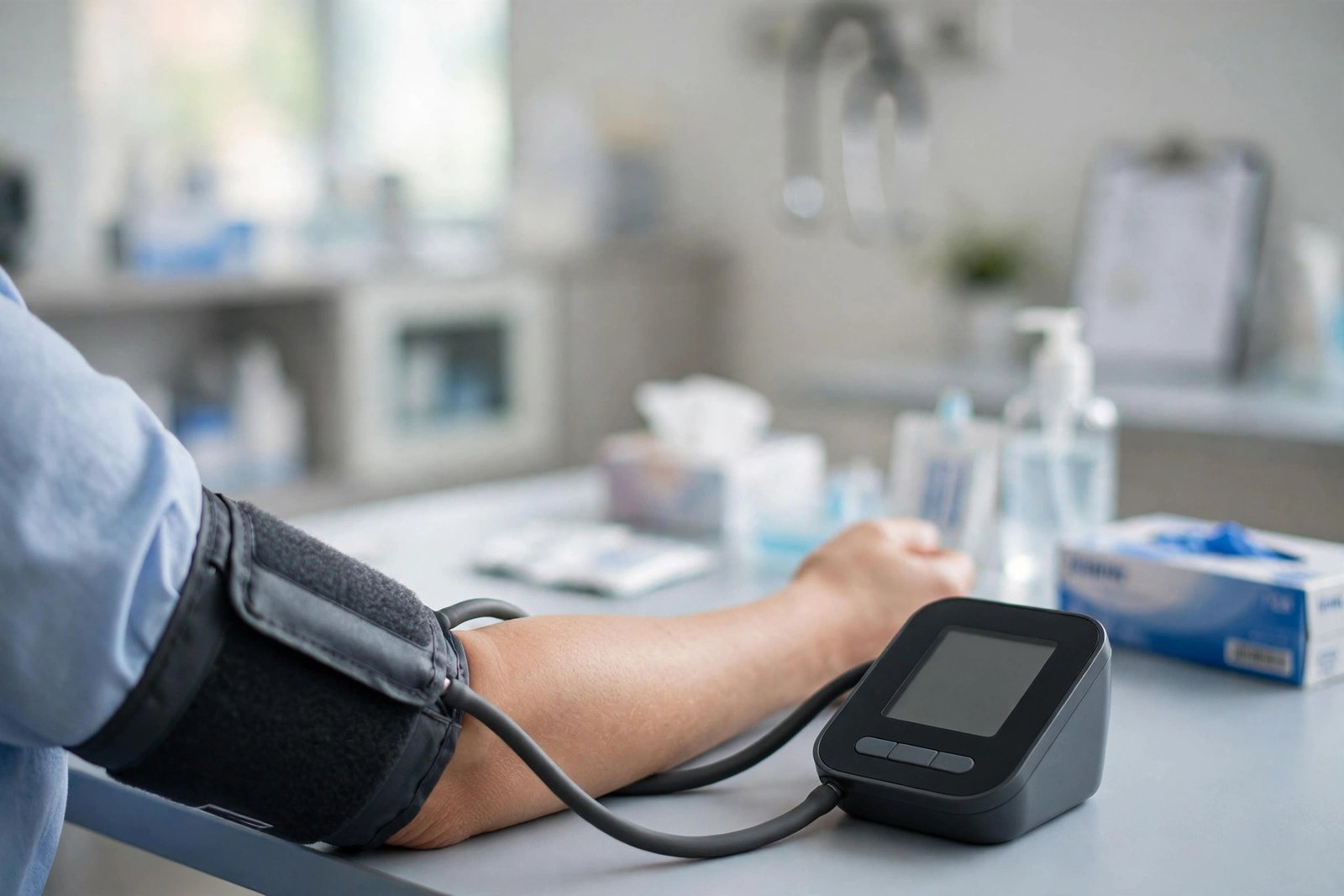
What Is Low Blood Pressure?
Blood pressure is the force of blood pushing against artery walls, recorded as two numbers: systolic (the top number, pressure when the heart beats) over diastolic (the bottom number, pressure between beats). Low blood pressure — hypotension — is generally defined as a reading below 90/60 mmHg.
That number alone, however, does not tell the whole story. Many healthy people — especially young adults, athletes, and pregnant women — run below 90/60 with no symptoms at all, and for them it is simply normal and needs no treatment. Low blood pressure becomes a medical concern when it causes symptoms or results from an underlying illness.
Doctors recognize several distinct patterns:
- Orthostatic (postural) hypotension: blood pressure drops when you stand up from sitting or lying down, causing dizziness or fainting.
- Postprandial hypotension: a drop in pressure after eating, most common in older adults.
- Neurally mediated hypotension: a faulty brain–heart signaling loop during prolonged standing that drops blood pressure and can cause fainting — seen most often in younger people.
- Severe hypotension (shock): a dangerous, sudden drop that starves vital organs of blood — a medical emergency.
Causes & Risk Factors
Because blood pressure depends on blood volume, heart strength, and blood-vessel tone, many different problems can lower it:
- Dehydration: fever, vomiting, diarrhea, overuse of diuretics, or simply not drinking enough reduces blood volume — one of the most common causes.
- Heart problems: a very slow heart rate (bradycardia), valve disease, heart attack, or heart failure weaken the pump.
- Endocrine disorders: underactive thyroid (hypothyroidism), adrenal insufficiency (Addison’s disease), and low blood sugar (hypoglycemia) can all lower pressure.
- Blood loss: from injury, surgery, or internal bleeding (such as a bleeding ulcer) reduces circulating volume.
- Severe infection (septicemia): infection entering the bloodstream can cause a life-threatening drop in pressure.
- Severe allergic reaction (anaphylaxis): can cause sudden, dangerous hypotension alongside hives and breathing difficulty.
- Medications: diuretics, alpha and beta blockers, some antidepressants, Parkinson’s disease drugs, and erectile dysfunction medicines can all lower blood pressure.
- Pregnancy: blood pressure often dips in the first 24 weeks as the circulatory system expands rapidly — usually harmless.
- Nutrient deficiencies: lack of vitamin B12 or folate can cause anemia, which lowers pressure.
- Prolonged bed rest: extended inactivity weakens circulation and the body’s pressure regulation.
Risk rises with age, with certain chronic diseases (diabetes, Parkinson’s, heart disease), and with the use of multiple blood-pressure-affecting drugs.
Symptoms to Watch
When low blood pressure does cause trouble, reduced blood flow to the brain and organs produces a recognizable set of symptoms:
- Dizziness or lightheadedness, especially on standing
- Fainting (syncope)
- Blurred or dimming vision
- Nausea
- Fatigue or general weakness
- Difficulty concentrating or confusion
- Cold, clammy, pale skin
Symptoms of shock — the emergency form — are more dramatic: confusion, rapid shallow breathing, a weak but fast pulse, and cold, sweaty, pale skin. Shock can be fatal without immediate treatment.
Keep in mind that the absence of symptoms is meaningful: consistently low readings with no symptoms in an otherwise healthy person usually require no action at all.
Tests & Diagnosis
Diagnosing the cause of low blood pressure matters more than the number itself. A typical workup includes:
- Blood pressure in multiple positions: readings taken lying down, sitting, and standing (orthostatic vitals) reveal position-related drops. Home monitoring over several days can also help.
- Medical history and medication review: many cases are explained by a drug, dehydration, or a known condition.
- Blood tests: a complete blood count (for anemia or blood loss), blood sugar, electrolytes, kidney function, thyroid hormones, and sometimes cortisol levels.
- Electrocardiogram (ECG): checks heart rhythm and detects heart problems that could lower pressure.
- Tilt-table test: you lie on a table that tilts upright while heart rate and blood pressure are monitored — the standard test for neurally mediated and orthostatic hypotension.
- Echocardiogram or stress test: ultrasound or exercise testing of the heart when a cardiac cause is suspected.
Because so many causes are possible, diagnosis is often a process of elimination guided by which pattern of symptoms you have.
Treatment Options
There is no single treatment for low blood pressure — the right approach depends entirely on the cause. For symptom-free low readings, doctors typically recommend no treatment at all.
Treating the underlying cause
This is the cornerstone. Examples include adjusting or changing a medication that is lowering pressure, treating dehydration with fluids, correcting anemia or thyroid problems, and managing heart disease. When the cause is fixed, the pressure usually normalizes on its own.
Everyday measures your doctor may advise
- Drink more fluids: increasing water intake expands blood volume — especially helpful for dehydration-related and orthostatic hypotension.
- Add a little salt — only if your doctor approves: extra sodium helps the body retain fluid and raise pressure, but it is unsafe for people with heart failure, kidney disease, or high blood pressure, so never do this without medical guidance.
- Wear compression stockings: they reduce blood pooling in the legs and ease orthostatic symptoms.
- Rise slowly: sit on the edge of the bed for a minute before standing; avoid standing still for long periods.
- Eat smaller, more frequent meals to reduce postprandial drops; some people benefit from limiting high-carbohydrate meals.
Prescription medications
For chronic, symptomatic orthostatic hypotension that does not respond to lifestyle measures, doctors may prescribe medicines such as fludrocortisone (which helps the body retain salt and water) or midodrine (which tightens blood vessels). These are specialist-supervised treatments with their own side effects, not do-it-yourself remedies. Severe hypotension from shock is treated in hospital with intravenous fluids and vasopressor drugs.

Lifestyle Management & Prevention
For the common, non-emergency forms of low blood pressure, daily habits make a real difference:
- Stay well hydrated, especially in hot weather, during illness, and around exercise.
- Limit alcohol, which dilates blood vessels and promotes fluid loss.
- Move regularly: gentle, consistent exercise improves circulation and the body’s pressure reflexes.
- Avoid long hot showers or saunas, which dilate vessels and can trigger dizziness.
- Cross your legs or tense your calf muscles when you must stand for a while — it pushes pooled blood upward.
- Get up in stages in the morning: lie → sit → stand, pausing at each step.
- Review your medicines with your doctor or pharmacist if dizziness started after a new prescription.
When to See a Doctor
See your doctor if dizziness, lightheadedness, or fainting keeps happening — even if your readings seem only mildly low. Call emergency services immediately if low blood pressure comes with:
- Confusion, fainting that does not quickly resolve, or inability to stay conscious
- Cold, clammy, pale, or bluish skin with rapid, shallow breathing
- A weak, rapid pulse
- Chest pain or an irregular heartbeat
- Black or bloody stools, or vomiting blood (possible internal bleeding)
- Signs of severe allergic reaction: hives, swelling, breathing difficulty
- Severe headache, vision loss, or one-sided weakness
These can signal shock, major blood loss, or a cardiac emergency — all of which need immediate hospital care.
Key Takeaways
- Low blood pressure is generally defined as below 90/60 mmHg — but without symptoms, it often needs no treatment.
- Common causes include dehydration, heart problems, hormone disorders, blood loss, infections, and medications.
- Orthostatic hypotension — dizziness on standing — is the most common symptomatic pattern, especially in older adults.
- Diagnosis focuses on finding the cause: positional BP readings, blood tests, ECG, and sometimes a tilt-table test.
- Treatment targets the underlying cause; fluids, doctor-approved salt, compression stockings, and slow position changes help day to day.
- Shock symptoms (confusion, cold clammy skin, rapid breathing) are a medical emergency — call for help immediately.
Can low blood pressure cause a stroke or heart attack?
Severely low pressure can reduce blood flow to the brain and heart, which is dangerous — but everyday mild hypotension in healthy people does not carry the same long-term risks as hypertension.
Should I eat more salt to raise my blood pressure?
Only if your doctor recommends it. Extra salt helps some people with orthostatic hypotension but is harmful for those with heart failure, kidney disease, or hypertension.
Why do I feel dizzy every morning when I get up?
Morning dizziness on standing is classic orthostatic hypotension — overnight fluid loss plus a sudden position change. Sitting on the bed’s edge before standing and drinking water often helps; persistent episodes deserve a checkup.
“Your Health, Our Responsibility.”
Medical Disclaimer: This article is for informational purposes only and is not a substitute for professional medical advice, diagnosis, or treatment. Always seek the advice of your physician or another qualified health provider with any questions you may have regarding a medical condition. Never disregard professional medical advice or delay seeking it because of something you have read on this site.
Online Consultation: Dr. Ata Ullah (MBBS, MD Medicine), Physician Consultant / Medical Specialist — WhatsApp: 0315 7148181 — Consultation Fees: $30