

COVID Variant SW.2: Symptoms to Know (October 2026)
Medically reviewed by Dr. Ata Ullah, MD (Medicine), Physician Consultant.
SW.2 is a currently circulating Omicron-lineage COVID variant. Its symptoms are the familiar ones — fever, dry cough, sore throat, congestion and fatigue — and most healthy adults recover within 7 to 14 days. Because variant patterns change, always follow the current guidance of your local health authority.

SW.2 at a Glance
| Fact | What we know |
|---|---|
| What it is | An Omicron-lineage SARS-CoV-2 variant circulating in 2026 |
| Main symptoms | Fever, dry cough, sore throat, congestion, fatigue, body aches |
| Symptoms appear | Usually 2–5 days after exposure |
| Recovery | Most healthy adults recover in 7–14 days |
| Testing | Rapid antigen and PCR tests detect it; variant is identified by lab sequencing only |
| Vaccines | Still protect against severe disease and hospitalisation |
| Seek urgent care | Breathing difficulty, chest pain, confusion, bluish lips, severe dizziness |
What Is the SW.2 Variant?
SW.2 is a lineage of SARS-CoV-2, the coronavirus that causes COVID-19. Like all viruses, SARS-CoV-2 mutates as it spreads, producing variants with slightly different genetic codes. Public health laboratories around the world sequence samples from COVID cases to monitor which lineages are spreading — and as of October 2026, SW.2 has been identified among the currently circulating variants.
It is important to keep perspective: a new variant name does not automatically mean a more dangerous virus. Most variants differ from their predecessors only modestly — sometimes spreading a little more easily, sometimes partly evading prior immunity — while the underlying illness remains the same respiratory infection. Health agencies assess each emerging lineage for changes in transmissibility, severity, and immune evasion, and update their guidance accordingly. For SW.2, the practical message is the same one that has applied to recent variants: the symptoms, testing, and precautions are familiar.
How SW.2 Spreads and Who Is Most at Risk
SW.2 spreads the same way every COVID variant has: mainly through respiratory droplets and aerosols released when an infected person breathes, talks, coughs, or sneezes, especially in crowded or poorly ventilated indoor spaces. Touching contaminated surfaces plays a much smaller role.
Risk of infection rises with close, prolonged indoor contact with others — workplaces, classrooms, public transport, gatherings — and during seasonal waves when more virus is circulating in the community. The risk of severe illness, as with all COVID variants, is highest for older adults, people with weakened immune systems, and those with underlying conditions such as heart disease, diabetes, chronic lung or kidney disease, and obesity. Being up to date with recommended COVID vaccination remains the strongest protection against severe outcomes, whatever the circulating variant.
Symptoms
Reported symptoms of SW.2 infections mirror the familiar COVID symptom profile seen with recent variants. Most people experience a respiratory illness that feels like a bad cold or flu:
- Fever or chills — often one of the first signs.
- Dry cough — persistent and irritating rather than chesty.
- Sore throat — frequently described as scratchy or painful on swallowing.
- Congestion or runny nose — nasal symptoms are very common with recent variants.
- Fatigue — tiredness that can linger for days beyond the worst of the illness.
- Body aches and headache — muscle soreness similar to flu.
- Shortness of breath — less common in mild cases, but a warning sign when present.
- Loss of taste or smell, nausea, or diarrhea — reported less often than in the pandemic’s early waves, but still possible.
Symptoms typically appear 2–5 days after exposure, and most healthy adults recover within one to two weeks. As with previous variants, some people — particularly older or medically vulnerable individuals — can develop more serious respiratory illness, and a minority experience lingering symptoms (long COVID) after the acute infection clears.
Tests & Diagnosis
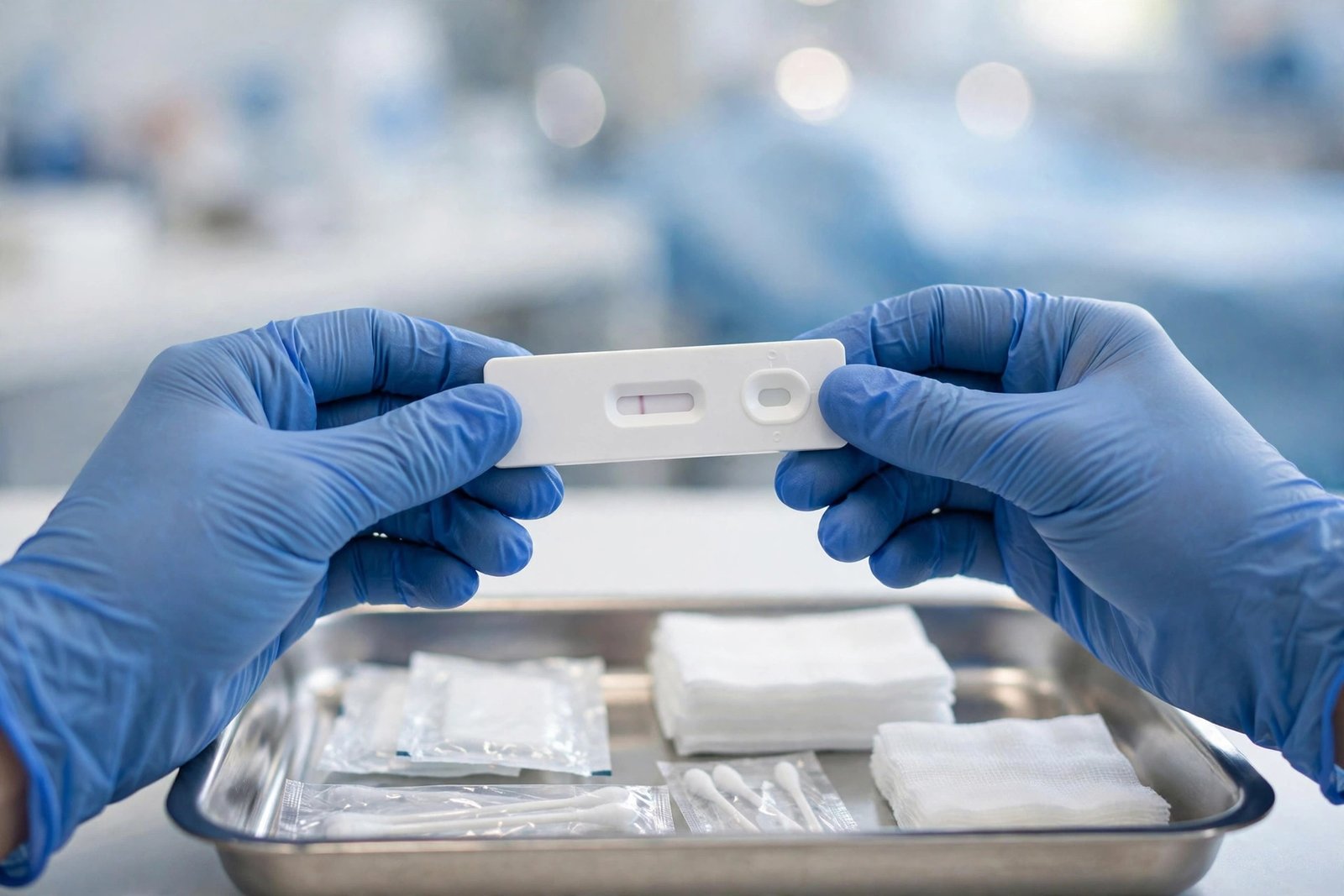
Testing for SW.2 works exactly like testing for any COVID infection — current tests detect SARS-CoV-2 regardless of which lineage is involved.
Rapid antigen tests. At-home lateral-flow tests remain the quickest way to check: a positive result is reliable and means you should follow isolation guidance, while a negative result early in illness can be falsely reassuring — retest after 24–48 hours if symptoms persist.
PCR tests. Laboratory PCR testing is more sensitive and is typically used in hospitals, clinics, and for people at higher risk. Variant identification (which lineage you have) comes from genomic sequencing of selected samples by public health laboratories — it is a surveillance tool, not something your personal test result will tell you, and it does not change your treatment.
When to test: if you develop respiratory symptoms, after a known exposure, or before visiting vulnerable people. Check your local health authority’s current guidance on isolation periods, which are updated as the situation evolves.

SW.2 vs Earlier Variants: What’s Different?
For most people, SW.2 causes the same illness as earlier Omicron-lineage variants, and there is no evidence it causes more severe disease. The main difference is which lineage is circulating at a given time — and that changes every few months. Vaccines continue to protect against severe disease and hospitalisation, whatever the current variant.
Treatment Options
For most healthy people, SW.2 infection is managed the same way as other mild COVID cases:
- Supportive care at home — rest, plenty of fluids, and over-the-counter options such as paracetamol/acetaminophen or ibuprofen for fever, aches, and sore throat, used as directed.
- Isolation — stay home and away from others while infectious, following your local health authority’s current isolation guidance, to protect household members and the wider community.
- Prescription antivirals — for people at higher risk of severe illness (older adults, immunocompromised patients, those with serious underlying conditions), clinicians may prescribe antiviral treatment. These work best when started early, so high-risk individuals should contact a healthcare provider promptly after a positive test rather than waiting.
- Hospital care — reserved for severe cases with breathing difficulty or low oxygen, where oxygen therapy and other supportive measures are provided.
Antibiotics do not treat COVID — it is a viral infection — and unproven “cures” circulating online should be ignored in favour of established medical guidance.
Lifestyle Management & Prevention
Prevention has not changed with the variant name. The measures that worked against earlier lineages work against SW.2:
- Stay current with vaccination. Follow your local health authority’s recommendations on COVID boosters — updated vaccines are designed to cover currently circulating lineages.
- Improve ventilation. Open windows, use air filtration, and prefer outdoor or well-ventilated spaces for gatherings.
- Wear a mask in crowded indoor settings, especially during waves or when visiting healthcare facilities.
- Practise hand hygiene — regular handwashing remains a simple, effective habit.
- Stay home when sick and test early, so treatment for high-risk contacts can start in time.
- Support recovery — rest properly, return to exercise gradually, and seek care if fatigue, breathlessness, or brain fog persist for weeks after infection.
When to See a Doctor
Most infections resolve with home care, but do not hesitate to seek advice if symptoms worsen after initial improvement, if fever persists beyond a few days, or if recovery stalls. Local health authority hotlines and guidance pages carry the most current recommendations for your area.
SW.2 Variant: Frequently Asked Questions
What are the symptoms of the SW.2 COVID variant?
Fever, dry cough, sore throat, congestion, fatigue, headache and body aches — the same profile as recent Omicron-lineage variants. There is no evidence it causes more severe disease than earlier variants.
Is SW.2 more dangerous than previous variants?
No sign of increased severity or hospitalisation risk has been reported versus other circulating lineages. SW.2 was briefly the most common lineage in the US in mid-2026, at roughly 21% of sequenced cases, but newer lineages have since overtaken it.
Do current COVID vaccines work against SW.2?
Yes — vaccines continue to protect against severe disease and hospitalisation across Omicron-lineage variants, including SW.2. Staying up to date is the strongest protection.
How long does an SW.2 infection last?
Most people recover within 7 to 14 days. You can return to normal activities once symptoms are improving and you have been fever-free for 24 hours without fever-reducing medicine.
How long are you contagious with SW.2?
You can spread it from about a day before symptoms start, and you are most contagious in the first 3 to 4 days. Stay home while feverish and until symptoms are clearly improving.
Key Takeaways
- SW.2 is a SARS-CoV-2 lineage identified among currently circulating variants as of October 2026 — not a new disease.
- Its symptoms match the familiar COVID profile: fever, dry cough, sore throat, congestion, fatigue, body aches, and runny nose.
- Standard rapid antigen and PCR tests detect it; variant sequencing is done by labs for surveillance, not individual care.
- Most cases are managed at home with rest and supportive care; high-risk patients should seek early medical advice about antivirals.
- Vaccination, ventilation, masking in crowds, and staying home when sick remain the core protections.
- Follow your local health authority’s current guidance, as recommendations evolve with the variant picture.
Reviewed by
Dr. Ata Ullah — MBBS, MD Medicine, Physician Consultant.
“Your Health, Our Responsibility.”
Medical disclaimer: This article is for informational purposes only and is not a substitute for professional medical advice, diagnosis, or treatment. Always seek the advice of your physician or another qualified health provider with any questions you may have regarding a medical condition. Variant information changes over time — consult your local health authority for the latest guidance.
Online Consultation: Dr. Ata Ullah (MBBS, MD Medicine), Physician Consultant / Medical Specialist — WhatsApp: 0315 7148181 — Consultation Fees: $30