
Medically reviewed by Dr. Ata Ullah, MD (Medicine), Physician Consultant.
Have you ever felt “butterflies” in your stomach before an important event, or lost your appetite during a stressful week? Those are not just figures of speech. Your gut and your brain are in constant, two-way communication — a relationship scientists call the gut-brain axis. What happens in your digestive system can influence your mood and thinking, and your mental state can just as powerfully affect your digestion.
This connection is one of the most active areas of medical research today. Understanding it can change how you think about stress, mood, and digestive symptoms — and open up practical ways to support both your mind and your gut at the same time.

Overview: The Gut-Brain Axis
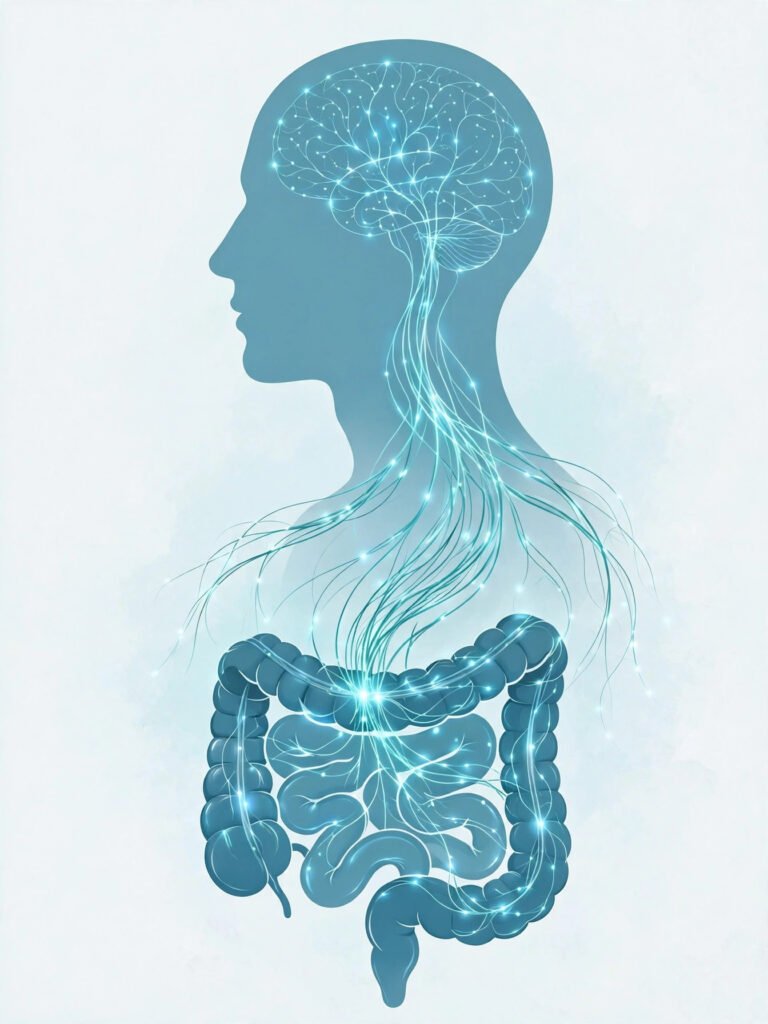
The gut-brain axis is the bidirectional communication network linking the central nervous system (the brain and spinal cord) with the enteric nervous system — the vast web of neurons embedded in the walls of the digestive tract, sometimes nicknamed the “second brain.” This network includes direct nerve connections (chiefly the vagus nerve), hormones, and immune signaling molecules.
The gut microbiome plays a central role in this conversation. Gut microbes produce neuroactive compounds, including precursors and mimics of neurotransmitters involved in mood regulation. They also interact with the immune system, and since immune signaling affects the brain, the state of the gut can ripple outward to influence how you feel mentally.
How the Gut and Brain Communicate
The vagus nerve
The vagus nerve is the longest cranial nerve, running from the brainstem to the abdomen. It carries signals in both directions: the brain influences gut motility and secretion, while the gut sends sensory information — about fullness, inflammation, and microbial activity — back to the brain.
Neurotransmitters and microbial metabolites
A large share of the body’s serotonin — a neurotransmitter involved in mood, sleep, and appetite — is produced in the gut, where it mainly regulates intestinal movement. Gut microbes also produce short-chain fatty acids when they ferment fiber, and these compounds influence inflammation and may affect brain function indirectly.
Hormones and the stress response
Psychological stress activates hormonal pathways that alter gut motility, increase intestinal sensitivity, and change the microbial balance. This is why stressful periods so often bring stomach cramps, nausea, diarrhea, or constipation.
The immune pathway
The gut houses extensive immune tissue. When the intestinal barrier is irritated or inflamed, immune signals travel through the bloodstream and can influence brain function — one reason digestive flare-ups and low mood or fatigue so often occur together.
Signs the Gut-Brain Connection May Be Affecting You
- Digestive symptoms (bloating, cramps, nausea, bowel changes) that flare during stressful periods
- Anxiety or low mood that seems to worsen alongside digestive problems
- “Nervous stomach” before exams, presentations, or major life events
- Appetite changes during prolonged stress — eating much more or much less than usual
- Ongoing gut symptoms with no clear structural cause, such as in irritable bowel syndrome (IBS), where the gut-brain interaction is a key driver
Causes and Risk Factors for Disruption
- Chronic stress: sustained stress hormones disturb gut motility, sensitivity, and microbial balance.
- Poor sleep: disrupted sleep affects both mood regulation and gut function.
- Unbalanced diet: low-fiber, highly processed diets provide less fuel for beneficial microbes that support the axis.
- Antibiotic or medication effects: drugs that alter the microbiome can indirectly affect gut-brain signaling.
- Digestive disorders: conditions like IBS, functional dyspepsia, and inflammatory bowel disease involve disrupted gut-brain communication.
- Mental health conditions: anxiety and depression both influence — and are influenced by — gut function, creating cycles that can be hard to break from one side alone.
Tests and Diagnosis
There is no single test for the gut-brain axis itself. Doctors evaluate the two ends: digestive symptoms are investigated with the usual tools (history, stool tests, breath tests, endoscopy where indicated), while mood and anxiety symptoms are assessed through clinical interviews and validated questionnaires. When gut symptoms and psychological symptoms clearly track together, doctors may diagnose a disorder of gut-brain interaction — IBS being the best-known example — and treat both sides of the connection.
Supporting the Gut-Brain Connection
Feed the gut well
A fiber-rich, varied diet supports the microbes that produce beneficial compounds. Fermented foods add live cultures, and omega-3-rich foods (such as fatty fish, flaxseed, and walnuts) are associated with both gut and brain health in observational research.
Manage stress deliberately
Because stress signals travel straight to the gut, stress management is gut care. Techniques with research support include slow diaphragmatic breathing, regular moderate exercise, mindfulness practice, and cognitive-behavioral approaches — some of which are specifically adapted for IBS and other gut-brain disorders.
Protect sleep
Consistent sleep timing and adequate duration support both emotional regulation and healthy gut rhythms. Late-night heavy meals and screen use before bed disturb both.
Move regularly
Moderate physical activity is associated with greater microbial diversity, better mood, and healthier gut motility — a rare intervention that benefits both ends of the axis at once.
Consider the mind-body therapies
Gut-directed hypnotherapy and cognitive behavioral therapy designed for digestive disorders have shown meaningful benefit for IBS symptoms in clinical studies, illustrating how directly the brain can calm the gut.
Tip: Keep a simple two-week diary noting stress levels, sleep, meals, mood, and digestive symptoms. Patterns often emerge — such as symptoms spiking the day after poor sleep — that point to your most effective intervention.
When to see a doctor: Seek care if digestive symptoms include blood in the stool, unexplained weight loss, persistent vomiting, or severe pain — or if anxiety or depression interferes with daily life, work, or relationships. Gut-focused self-care complements professional treatment; it does not replace it.
Prevention
A lifestyle that protects the gut-brain axis looks familiar: varied fiber-rich food, regular movement, consistent sleep, limited alcohol, no smoking, and active stress management. Building these habits before problems start is far easier than untangling a stressed gut and a stressed mind later.
Frequently Asked Questions
Is the “second brain” idea scientifically real?
It is a popular nickname for the enteric nervous system, which genuinely contains a vast number of neurons and can operate semi-independently. But it does not think or feel emotions — the phrase describes its complexity, not consciousness.
Can gut problems cause anxiety?
Gut symptoms can certainly worsen anxiety, and emerging research suggests microbial and immune signaling from the gut may influence mood. The relationship runs both ways, which is why treating only one side sometimes falls short.
Can improving my diet improve my mood?
Dietary patterns rich in vegetables, fruits, whole grains, and fish are associated with better mood in observational studies. Diet is one meaningful factor among many — not a standalone treatment for depression or anxiety disorders.
Do probiotics help the gut-brain connection?
Some early research explores “psychobiotics” — probiotic strains studied for mood effects — but the evidence is preliminary. A fiber-rich diet and stress management currently have stronger support.
Why does stress give me stomach problems?
Stress hormones and nerve signals directly alter gut motility, increase pain sensitivity in the intestines, and shift the microbiome — a normal physiological response that becomes problematic when stress is chronic.
Key Takeaways
- The gut-brain axis is a real, two-way communication system involving nerves, hormones, immune signals, and the microbiome.
- Stress commonly triggers digestive symptoms, and digestive problems can in turn worsen mood — cycles that often need both sides addressed.
- Fiber-rich varied eating, regular exercise, consistent sleep, and deliberate stress management support the whole axis.
- Mind-body therapies such as gut-directed CBT and hypnotherapy have research support for IBS and related conditions.
- Persistent digestive warning signs or significant anxiety/depression deserve professional evaluation, not self-management alone.
Disclaimer: This article is for informational purposes only and is not a substitute for professional medical advice, diagnosis, or treatment. Please consult a qualified doctor for personal health concerns.