
Medically reviewed by Dr. Ata Ullah, MD (Medicine), Physician Consultant.
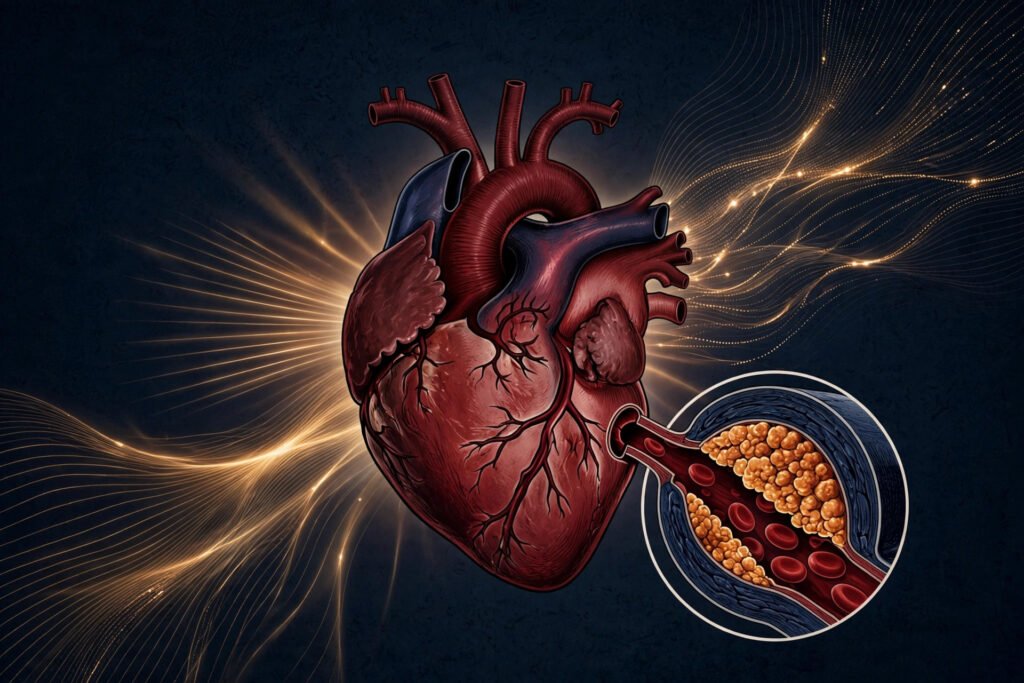
A heart attack happens when blood flow to part of the heart muscle is suddenly blocked — most often by a blood clot forming over a ruptured cholesterol plaque in a coronary artery. Starved of oxygen, heart muscle begins to die within minutes. How much damage occurs depends largely on how quickly blood flow is restored, which is why recognising the symptoms immediately can be the difference between full recovery and lasting disability or death.
Most people picture a heart attack as dramatic chest-clutching collapse. Real heart attacks are often less obvious: discomfort that comes and goes, pain mistaken for indigestion, or unusual fatigue in someone who never had chest pain at all. This article describes the full range of warning signs, how they differ between people, what to do in the critical first minutes, and how heart attacks are treated and prevented.

Overview
The heart is a muscle that needs its own constant blood supply, delivered through the coronary arteries. When one of these arteries becomes blocked, the heart muscle downstream is injured — this is a myocardial infarction, commonly called a heart attack. The longer the blockage lasts, the more muscle is lost, and dead heart muscle does not regenerate.
Heart attacks are medical emergencies at any age, though risk rises with age, high blood pressure, high cholesterol, diabetes, smoking, obesity, and family history. They can also strike people with few obvious risk factors, which is why everyone should know the symptoms — for themselves and for those around them.
Symptoms and Warning Signs
Symptoms vary widely and may begin suddenly or build over hours or days. The classic signs include:
- Chest discomfort: pressure, tightness, squeezing, heaviness, or aching in the centre or left side of the chest. It may last more than a few minutes or come and go.
- Pain spreading beyond the chest: discomfort in one or both arms, the shoulders, back, neck, jaw, or upper stomach.
- Shortness of breath: with or without chest discomfort; may feel like you cannot catch your breath.
- Cold sweat: breaking out in a sweat for no clear reason.
- Nausea or vomiting.
- Lightheadedness or sudden dizziness.
Symptoms are not the same for everyone
- Women are more likely than men to experience subtler signs: unusual fatigue, nausea, shortness of breath, or pain in the back or jaw without prominent chest pain.
- Older adults and people with diabetes may have muted symptoms or primarily shortness of breath and fatigue.
- Silent heart attacks cause mild or no noticeable symptoms and are discovered later on an ECG or during tests for another reason — yet they still damage the heart.
Causes and Risk Factors
The immediate cause is nearly always a blocked coronary artery, usually from a blood clot forming where plaque has ruptured. Underlying coronary artery disease — the gradual buildup of plaque — develops over decades.
Major risk factors:
- High blood pressure, high LDL cholesterol, and diabetes.
- Smoking and tobacco use.
- Obesity and physical inactivity.
- Unhealthy diet high in saturated fat, salt, and processed foods.
- Excessive alcohol use and chronic stress.
- Family history of early heart disease.
- Age (risk rises for men over 45 and women over 55, though younger cases occur).
Tests and Diagnosis
In the emergency department, diagnosis moves fast:
- ECG (electrocardiogram): records the heart’s electrical activity and can reveal a heart attack within minutes.
- Blood tests for troponin: this heart-muscle protein rises in the blood when heart tissue is damaged; repeated tests track the trend.
- Echocardiogram, chest X-ray, or coronary angiography may follow to assess damage and locate blockages.
Because treatment is most effective when started early, doctors begin care based on symptoms and the first ECG — they do not wait for every test result before acting.
Treatment and Management
What to do while waiting for help
- Call your local emergency number immediately. Do not drive yourself to the hospital — paramedics can begin treatment on the way.
- Stop all activity and sit or lie down. Chew nothing and take no action that delays the call.
- Take aspirin only if advised: in many countries, emergency operators advise chewing an aspirin tablet (unless you are allergic or have been told not to) because it helps limit clotting. Follow the operator’s instructions.
- Unlock your door if you are alone, so help can reach you.
Hospital treatment
- Clot-busting drugs (thrombolysis) dissolve the blockage when catheter procedures are not immediately available.
- Angioplasty with stenting: a catheter opens the blocked artery and a small mesh tube (stent) keeps it open — the preferred treatment where available, ideally within the first hours.
- Coronary bypass surgery for severe or multiple blockages.
- Medicines including blood thinners, beta-blockers, ACE inhibitors, and statins to protect the heart and prevent another event.
Recovery and cardiac rehabilitation
Recovery combines graded exercise, education, dietary change, smoking cessation, and psychological support — structured cardiac rehabilitation programmes significantly improve outcomes and confidence. Most people return to work and normal life, though timelines vary with the extent of damage.
When to Seek Urgent Help
Prevention
Most heart attacks are preventable through the same measures that protect the whole cardiovascular system: do not smoke; keep blood pressure, cholesterol, and blood sugar in healthy ranges; maintain a healthy weight; eat a diet rich in vegetables, fruits, whole grains, and lean proteins; exercise regularly; limit alcohol; manage stress; and take prescribed heart medicines consistently. If you have risk factors, discuss a prevention plan — and warning-sign education for your family — with your doctor.
FAQs
Can a heart attack happen without chest pain?
Yes. Some people — more often women, older adults, and people with diabetes — experience mainly shortness of breath, nausea, jaw or back pain, or extreme fatigue. “Silent” heart attacks may cause no noticeable symptoms at all but still injure the heart.
What is the difference between a heart attack and cardiac arrest?
A heart attack is a circulation problem — blocked blood flow to the heart muscle. Cardiac arrest is an electrical problem — the heart suddenly stops beating effectively. A heart attack can trigger cardiac arrest, which is why immediate emergency response matters for both.
How is angina different from a heart attack?
Angina is chest discomfort from temporarily reduced blood flow that eases with rest; it often signals underlying coronary disease. A heart attack involves prolonged blockage causing actual muscle damage. New, worsening, or rest-triggered angina should be evaluated urgently — it can precede a heart attack.
Can young, fit people have heart attacks?
Yes, though it is less common. Intense exertion, stimulant drugs, severe stress, spontaneous artery tears, and inherited conditions can cause heart attacks in young or athletic people. No one should dismiss symptoms based on age or fitness.
Key Takeaways
- A heart attack is a blocked coronary artery starving heart muscle of oxygen — minutes matter.
- Know the signs: chest pressure or pain, pain spreading to arm/neck/jaw/back, shortness of breath, cold sweat, nausea, lightheadedness.
- Symptoms vary — women, older adults, and people with diabetes often have subtler warning signs.
- Call your local emergency number immediately; do not drive yourself; take aspirin only if advised by the emergency operator.
- Most heart attacks are preventable through blood pressure, cholesterol, and diabetes control, not smoking, healthy eating, and regular exercise.
Disclaimer: This article is for informational purposes only and is not a substitute for professional medical advice, diagnosis, or treatment. Please consult a qualified doctor for personal health concerns.