
Medically reviewed by Dr. Ata Ullah, MD (Medicine), Physician Consultant.
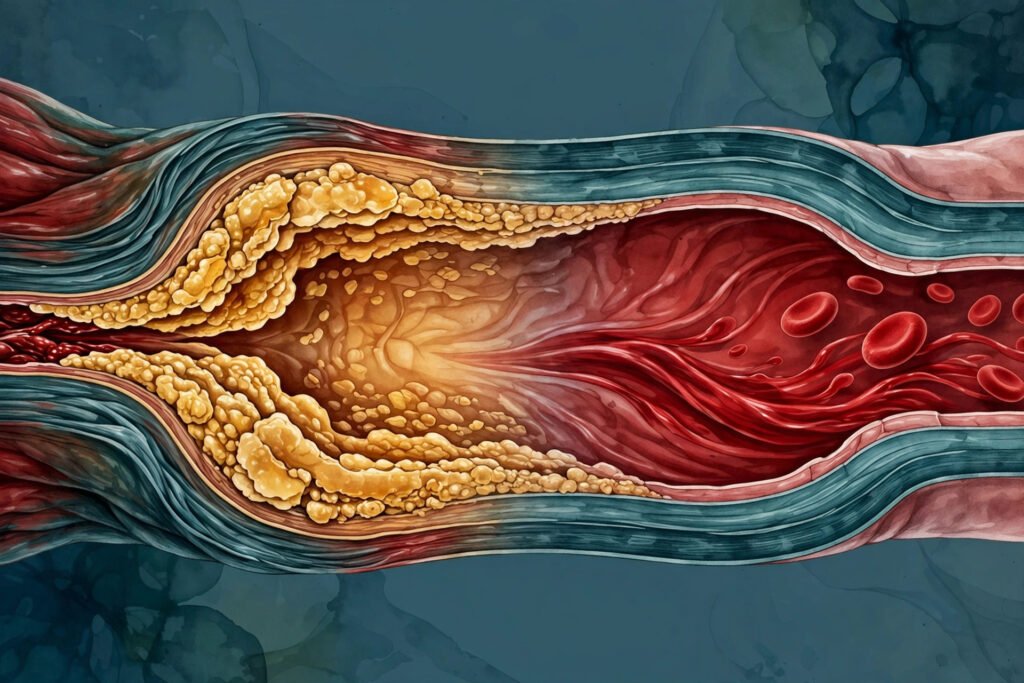
Cholesterol has a bad reputation, but your body actually needs it — it builds cell membranes, produces hormones, and helps digest food. Problems begin when there is too much of the wrong kind circulating in the blood, silently laying down fatty deposits inside artery walls. Over years, those deposits narrow and stiffen arteries, setting the stage for heart attacks and strokes.
The good news: cholesterol is one of the most modifiable risk factors in medicine. What you eat, how much you move, whether you smoke, and — when needed — well-studied medications can all bring numbers into a safer range. This guide explains what cholesterol numbers mean, what drives them up, and the practical steps that lower them.

Overview
Cholesterol travels through the blood attached to proteins, forming lipoproteins. The two main types:
- LDL (low-density lipoprotein) — often called “bad” cholesterol. Excess LDL deposits cholesterol in artery walls, forming plaques.
- HDL (high-density lipoprotein) — often called “good” cholesterol. HDL helps carry cholesterol away from the arteries back to the liver for removal.
Triglycerides, another blood fat measured on the same test, also matter — high levels add to cardiovascular risk. A standard lipid panel reports total cholesterol, LDL, HDL, and triglycerides, usually after fasting.
Commonly used reference points: total cholesterol below 200 mg/dL is considered desirable; LDL below 100 mg/dL is optimal (targets are stricter for people with existing heart disease or diabetes); HDL of 40 mg/dL or higher for men and 50 mg/dL or higher for women is healthier; triglycerides below 150 mg/dL is normal. Your doctor interprets these numbers in the context of your overall risk — not in isolation.
Symptoms and Warning Signs
High cholesterol causes no symptoms. Most people discover it only through a blood test — which is why screening matters. In rare cases of very high inherited cholesterol (familial hypercholesterolaemia), visible signs can appear: fatty deposits under the skin (xanthomas), deposits around the eyes (xanthelasma), or a pale ring around the cornea. Far more often, people first learn they have high cholesterol only when a heart attack or stroke strikes — which is why screening must come before any emergency.
Causes and Risk Factors
Cholesterol levels reflect both what you inherit and how you live:
- Diet: high intake of saturated fat (fatty meats, butter, full-fat dairy, palm and coconut oils) and trans fats raises LDL; excess sugar and refined carbs raise triglycerides.
- Excess weight raises LDL and triglycerides and lowers HDL.
- Physical inactivity lowers HDL.
- Smoking lowers HDL and damages artery walls, making plaque formation easier.
- Age and sex: cholesterol tends to rise with age; oestrogen offers premenopausal women some protection, which fades after menopause.
- Genetics: some people inherit a tendency toward high cholesterol regardless of lifestyle; familial hypercholesterolaemia causes very high LDL from a young age.
- Medical conditions: diabetes, hypothyroidism, and kidney disease can raise cholesterol.
Tests and Diagnosis
A lipid panel blood test measures your cholesterol profile. Adults are generally advised to have cholesterol checked every few years starting in early adulthood, and more often if levels are high or risk factors exist. Because cholesterol does not fluctuate wildly day to day, a single good-quality test gives a reliable picture — though your doctor may repeat it to confirm before starting lifelong medication.
Diagnosis is never just about the numbers: your doctor weighs cholesterol alongside blood pressure, diabetes, smoking, age, and family history to estimate your overall cardiovascular risk, which determines how aggressively to treat.
Treatment and Management
Eating to lower cholesterol
- Cut saturated fat: choose lean meats, poultry without skin, and low-fat dairy; cook with olive or other unsaturated oils instead of butter, ghee, or palm oil.
- Eliminate trans fats: avoid partially hydrogenated oils found in some margarines, baked goods, and fried fast foods.
- Add soluble fibre: oats, beans, lentils, chickpeas, apples, and citrus fruits bind cholesterol in the gut and help remove it — one of the best-supported dietary strategies.
- Eat fatty fish: salmon, sardines, and mackerel provide omega-3 fats that lower triglycerides; aim for a couple of servings a week.
- Add nuts and plant sterols: a daily handful of nuts supports a healthy lipid profile; foods with added plant sterols or stanols can modestly lower LDL.
- Limit sugar and refined carbs: especially important for high triglycerides — cut sugary drinks, sweets, and white-flour snacks.
- Moderate alcohol: excess alcohol raises triglycerides; if you drink, keep it moderate or less.
Move more
Aerobic exercise — brisk walking, cycling, swimming — raises HDL and lowers triglycerides; it also helps with the weight control that improves the whole profile. Aim for at least 150 minutes of moderate activity weekly, plus resistance training twice a week.
Quit smoking and manage weight
Quitting smoking improves HDL within weeks and reduces cardiovascular risk far beyond cholesterol alone. Losing even modest excess weight improves LDL, triglycerides, and HDL together.
Medication
When lifestyle is not enough — or when risk is high — statins are the most prescribed and best-studied cholesterol medicines; they substantially lower LDL and reduce heart attack and stroke risk. Other options (ezetimibe, PCSK9 inhibitors, fibrates, prescription omega-3s) suit specific situations. Muscle aches and other side effects should be reported rather than silently stopping the drug — dose changes or alternatives usually solve the problem. Never stop a statin without medical advice: the protection disappears quickly.
When to Seek Urgent Help
Prevention
Cholesterol-friendly habits work best when started early: a diet built on vegetables, fruits, whole grains, legumes, nuts, and lean proteins; regular activity; no smoking; healthy weight; and periodic lipid screening from young adulthood. People with a family history of early heart disease should be screened earlier and take borderline numbers more seriously.
FAQs
Do eggs raise cholesterol?
Eggs contain dietary cholesterol, but for most people saturated fat affects blood cholesterol far more than dietary cholesterol does. Moderate egg consumption fits into a healthy diet for most people; those with diabetes or very high LDL should discuss personal limits with their doctor.
How long do statins take to work?
LDL typically drops within a few weeks of starting a statin, with the full effect visible on a repeat lipid panel after about one to three months. The cardiovascular protection builds with continued use.
Can I stop my statin once cholesterol is normal?
Usually not — the normal reading is the medication working. Stopping typically returns cholesterol to previous levels within weeks. Any change to prescribed treatment must be discussed with your doctor.
Are “natural” cholesterol remedies effective?
Some supplements (such as red yeast rice, which contains a naturally occurring statin-like compound) can lower LDL, but they are unstandardised, can carry the same side effects as statins, and may interact with medicines. Treat them with the same seriousness as prescription drugs — discuss them with your doctor first.
Key Takeaways
- High cholesterol has no symptoms — a lipid panel blood test is how it is found.
- Lower LDL (“bad”) and triglycerides and raise HDL (“good”) through diet, exercise, weight control, and not smoking.
- Soluble fibre, unsaturated fats instead of saturated fats, and less sugar are the dietary cornerstones.
- Statins and other medicines are safe, effective tools when lifestyle is not enough — take them consistently.
- Chest pain, sudden weakness, or slurred speech are emergencies — call for help immediately.
Disclaimer: This article is for informational purposes only and is not a substitute for professional medical advice, diagnosis, or treatment. Please consult a qualified doctor for personal health concerns.