
Medically reviewed by Dr. Ata Ullah, MD (Medicine), Physician Consultant.
Every winter — and every news cycle about a new virus — interest in “boosting immunity” surges. Shelves fill with pills, powders, and teas promising to supercharge your immune system. But the immune system is not a muscle you can simply pump up, and many products that claim to boost it have little evidence behind them.
The good news: you genuinely can support your immune function. Not with magic supplements, but with everyday habits that research consistently links to a well-regulated immune system. This guide separates what works from what doesn’t.

How the Immune System Works
Your immune system is a network of cells, tissues, and organs — including white blood cells, lymph nodes, the spleen, the thymus, and bone marrow — that defends against infections and removes damaged cells. It has two main arms: the innate immune system, which responds immediately and generally to threats, and the adaptive immune system, which learns to recognize specific invaders and remembers them (this is how vaccines work).
A healthy immune system is balanced, not simply “strong.” An overactive immune response causes allergies and autoimmune problems; an underactive one leaves you vulnerable to infections. The goal is regulation — an immune system that responds appropriately — and lifestyle habits influence that balance more than most people realize.
Evidence-Based Ways to Support Immunity
Sleep enough — consistently
Sleep is one of the most powerful immune regulators. Research suggests that people who regularly sleep too little are more likely to catch common respiratory infections, and that sleep supports the production and function of infection-fighting cells. Most adults need seven to nine hours; regularity of timing matters too.
Eat a varied, nutrient-rich diet
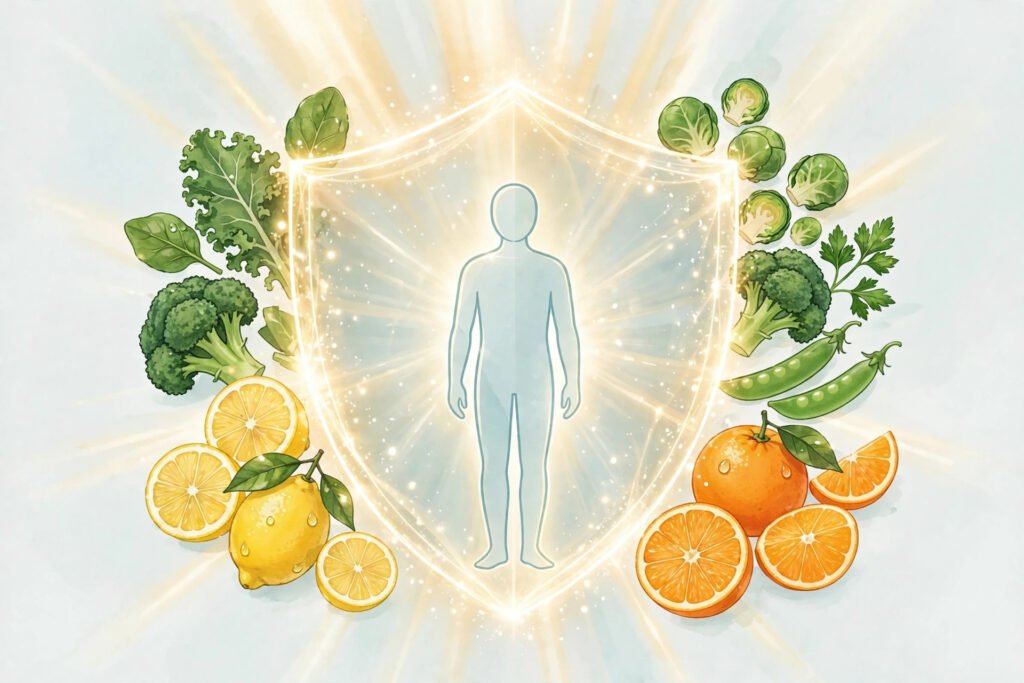
The immune system needs a steady supply of nutrients to build and operate its cells. Key players include vitamin C (citrus, peppers, berries), vitamin D (sunlight, fatty fish, fortified foods), zinc (meat, legumes, nuts, seeds), and vitamin A (sweet potatoes, carrots, leafy greens). Severe deficiencies impair immunity — but for people who already eat well, megadoses of single nutrients do not add extra protection and can cause harm.
Stay physically active
Regular moderate exercise is associated with fewer respiratory infections and better vaccine responses in observational studies. The effect follows a curve: moderate activity helps, while prolonged exhaustive training without recovery can temporarily suppress immune function.
Manage chronic stress
Short-term stress is harmless, but chronic stress raises cortisol over long periods, which can dampen immune responses. Practices like regular exercise, adequate sleep, social connection, and relaxation techniques help keep stress from becoming immune-suppressing.
Stay hydrated and avoid smoking
Mucous membranes in the nose and airways are a first line of defense; dehydration and smoke both impair them. Smoking is one of the clearest lifestyle suppressors of immunity, and quitting measurably improves immune function over time.
Keep vaccinations current
Vaccines are the most evidence-backed way to “boost” immunity against specific diseases. They train the adaptive immune system safely, without the risks of natural infection.
Tip: If you do only three things for your immune system, make them these: sleep seven to nine hours regularly, eat a varied diet rich in plants, and move your body most days. Everything else is secondary.
What to Avoid: Immunity Myths
- “Immune-boosting” supplements: most have weak or no evidence in healthy, well-nourished people. High-dose vitamin C, zinc lozenges, and herbal blends may slightly shorten colds in some studies, but they do not prevent most infections, and excess doses can cause side effects.
- Detox cleanses and juice fasts: your liver and kidneys already detoxify your body; extreme cleanses can deprive the immune system of the nutrients it needs.
- More is better thinking: megadosing vitamins (especially fat-soluble A, D, E, and K) can be toxic. Excess zinc can impair immunity — the opposite of the intended effect.
- Antibacterial everything: normal soap and water is enough for hand hygiene; overuse of harsh antibacterial products is unnecessary for home use.
- Ignoring the basics: no supplement compensates for chronic sleep deprivation, smoking, or heavy alcohol use.
When to talk to a doctor: See a doctor if you get unusually frequent, severe, or slow-to-heal infections — for example, needing antibiotics multiple times a year, infections that keep returning, or wounds that won’t heal. These can occasionally signal an underlying immune problem that needs evaluation. Also consult your doctor before starting any supplement if you are pregnant, have a chronic condition, or take regular medication.
Frequently Asked Questions
Can I really “boost” my immune system?
“Support” is the accurate word. You can keep your immune system functioning at its best through sleep, nutrition, exercise, and stress management — but no product can push it beyond its healthy capacity, and trying to overstimulate it is not desirable.
Does vitamin C prevent colds?
For most people, regular vitamin C does not prevent colds, though it may slightly shorten their duration. It does not make up for poor sleep or other unhealthy habits.
Should I take vitamin D for immunity?
Vitamin D deficiency is common and correcting a true deficiency supports immune function. Whether supplementation helps people who already have adequate levels is less clear — a blood test and your doctor’s advice are the right starting point.
Does exercise weaken immunity?
Moderate exercise supports immunity. Only prolonged, very intense training without adequate recovery is associated with a temporary dip in immune defenses — relevant mainly to endurance athletes, not regular exercisers.
Are probiotics good for immunity?
Since much immune tissue is associated with the gut, a fiber-rich diet that supports gut microbes is sensible. Evidence for probiotic supplements specifically improving immunity in healthy people is limited.
Key Takeaways
- The immune system needs balance and regulation — not “boosting” beyond its natural capacity.
- The strongest evidence supports the fundamentals: adequate sleep, varied nutrition, regular moderate exercise, stress management, no smoking, and staying current on vaccines.
- Most “immune-boosting” supplements have weak evidence in healthy people, and megadoses can cause harm.
- Correcting a genuine nutrient deficiency helps; piling on extra nutrients when levels are fine does not.
- Frequent, severe, or slow-healing infections deserve medical evaluation rather than self-treatment with supplements.
Disclaimer: This article is for informational purposes only and is not a substitute for professional medical advice, diagnosis, or treatment. Please consult a qualified doctor for personal health concerns.