
Medically reviewed by Dr. Ata Ullah, MD (Medicine), Physician Consultant.
Protein powder is one of the most widely used dietary supplements in the world. Athletes mix it into post-workout shakes, older adults use it to protect their muscles, and busy people stir it into breakfast smoothies as a quick source of nutrition. It is sold in gyms, pharmacies, and online stores in dozens of varieties, and marketing claims can make it sound like an essential shortcut to better health.
But do most people actually need it? This guide explains the types, what the evidence supports, and the risks — so you can decide whether protein powder has a place in your diet, and how to use it safely.

What Is Protein Powder?
Protein powder is a concentrated source of protein made from animal or plant foods. Manufacturers extract the protein, dry it, and grind it into a powder that can be mixed with water, milk, or blended into food. A typical serving provides a meaningful amount of protein in a small volume, which is the product’s main appeal.
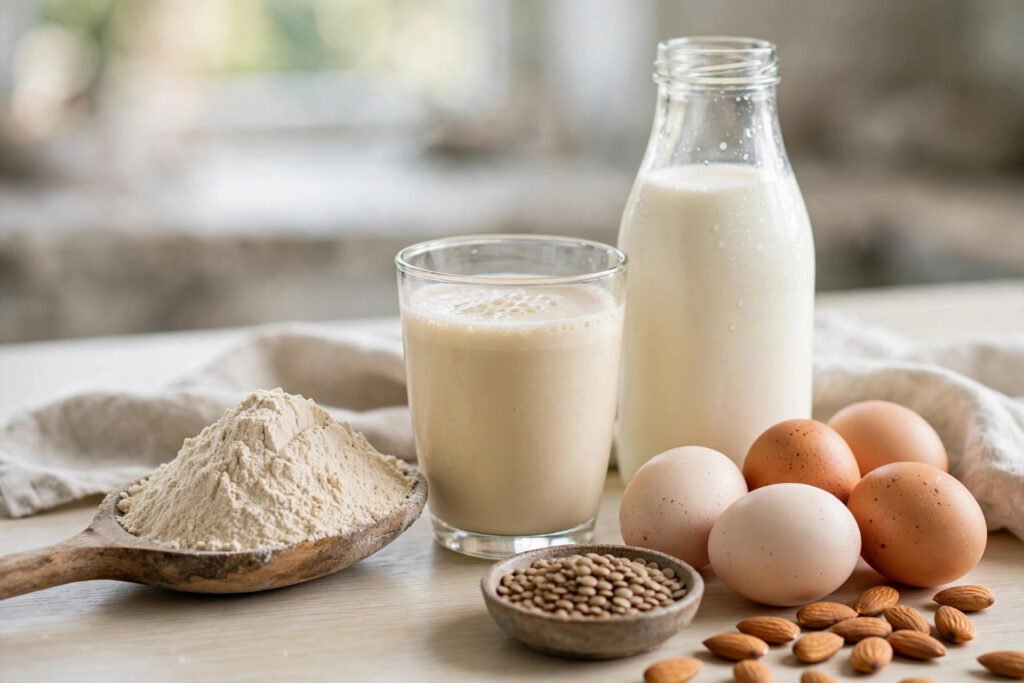
Protein is an essential nutrient used to build and repair muscles, skin, enzymes, hormones, and immune cells. Since the body cannot store it, steady daily intake matters. Most people eating a varied diet get enough from food — meat, fish, eggs, dairy, beans, lentils, nuts, and soy. Powder is simply a convenient, concentrated alternative for times when food alone falls short.
Types of Protein Powder
Whey protein
Whey, the liquid left over from cheese-making, is a complete protein absorbed relatively quickly. It comes as concentrate (some fat and lactose), isolate (most lactose removed), or hydrolysate (pre-digested). It is the most studied type.
Casein protein
Casein, also from milk, digests slowly, releasing amino acids over several hours. Some take it before bed, though its practical edge over other proteins is modest.
Soy protein
Soy is one of the few plant proteins that is complete on its own. It is a common choice for people who avoid dairy, and it has been studied for decades.
Pea, rice, and other plant proteins
Pea protein is popular for its smooth texture and neutral taste. Rice, hemp, and pumpkin seed proteins are also available. Many plant-based powders blend several sources to cover the full range of essential amino acids. They are suitable for vegans and people with milk allergies.
Protein blends and specialty powders
Some products blend whey with casein or several plant proteins for a balanced amino acid profile. Egg white, collagen, and beef powders also exist but are less studied.
What the Evidence Says
Protein supplements have been studied extensively, mostly in the context of exercise and muscle health. Research suggests that protein powder can help increase daily protein intake, which matters most when someone’s diet is otherwise low in protein. In people doing resistance training, combining adequate total protein intake with exercise is associated with greater gains in muscle mass and strength than exercise with low protein intake — but the powder itself is not magic; the total daily protein from all sources is what counts.
Protein supplements may also help older adults with small appetites preserve muscle mass, and there is modest, inconsistent evidence for slightly better post-exercise recovery.
Importantly, research does not show that protein powder offers unique advantages over protein from food when total intake is equal. A chicken breast, a bowl of lentils, or a glass of milk supports muscle the same way a shake does, provided the overall diet supplies enough protein and energy.
Possible Benefits
When used sensibly, protein powder may help in several situations:
- Convenience: a quick, portable protein source after workouts or during busy days.
- Muscle support: helps active people and older adults meet their daily protein needs.
- Appetite and weight management: protein is the most filling macronutrient, so a protein-rich snack may curb hunger between meals.
- Recovery: may modestly support recovery after hard training sessions.
- Dietary gaps: useful when small appetites, chewing difficulties, or restrictive diets make protein-rich foods hard to include.
Side Effects and Risks
Protein powder is generally considered safe for healthy adults when used as part of a balanced diet. However, there are some things to watch for:
- Digestive discomfort: bloating, gas, or stomach cramps are common, especially with whey concentrate in people sensitive to lactose. Switching to an isolate or a plant-based option often helps.
- Excess calories: some products contain added sugars and fats; overuse can contribute to unwanted weight gain.
- Contamination concerns: supplements face lighter regulation than medicines in many countries, and independent tests have occasionally found contaminants — another reason to choose third-party-tested products.
- Kidney considerations: very high intakes over long periods may strain kidneys already affected by disease — consult a doctor first if you have kidney problems.
- Allergies: whey and casein are milk products and are unsafe for people with milk allergy; soy powder is unsafe for those with soy allergy.
Tip: Protein powder is a supplement, not a substitute. It works best alongside real meals containing vegetables, whole grains, and healthy fats — not as a replacement for them.
How to Choose and Use Protein Powder Safely
First, check whether you need it at all — protein-rich foods at most meals may already suffice. If you decide to try it:
- Check the ingredient list: look for a short list with protein as the main ingredient and minimal added sugars, artificial sweeteners, or unfamiliar additives.
- Look for third-party testing: seals from independent quality programs suggest the product contains what the label claims.
- Match the type to your needs: lactose-sensitive? Consider isolate or plant-based. Vegan? Choose soy, pea, or a blend.
- Start with one serving a day: mix with water or milk and see how your digestion responds before increasing.
- Count it toward your total: a shake adds protein on top of your meals — adjust the rest of your diet so you are not greatly overshooting your needs.
- Stay hydrated: higher protein intake works best with adequate fluid intake.
Who Should Avoid Protein Powder
- People with milk allergy should avoid whey and casein; people with soy allergy should avoid soy protein.
- People with chronic kidney disease or liver disease should consult their doctor first.
- Children and teenagers generally do not need protein powder — a balanced diet is the better route, and a pediatrician’s advice should come first.
- Pregnant or breastfeeding women should check with their doctor before using any supplement.
Frequently Asked Questions
Is protein powder safe for daily use?
For healthy adults, one daily serving within a balanced diet is generally considered safe; problems come from excessive use or replacing real meals long-term.
Can protein powder help me lose weight?
It may help indirectly — protein increases fullness, which can reduce overall calorie intake. But powder alone does not cause weight loss; overall diet and activity determine that.
Do I need protein powder if I work out?
Not necessarily. Many active people meet their protein needs through food. Powder is mainly a convenience tool for those who struggle to eat enough protein-rich food.
Is plant protein as good as whey?
Soy protein is comparable in quality to whey. Pea and rice proteins are slightly lower in some amino acids individually, but blends perform similarly for most people’s goals.
Key Takeaways
- Protein powder is a concentrated, convenient protein source — useful, but not essential if your diet already includes enough protein.
- Whey is the most studied; soy, pea, rice, and blends suit dairy-free or vegan diets.
- Evidence supports it for active people and older adults meeting protein needs — with no unique advantage over protein from food.
- Choose products with simple ingredients and third-party testing, watch for digestive side effects, and avoid excessive use.
- People with kidney disease, milk or soy allergy, children, and pregnant women should consult a doctor first.
Disclaimer: This article is for informational purposes only and is not a substitute for professional medical advice, diagnosis, or treatment. Please consult a qualified doctor for personal health concerns.